Fentanyl Decontamination
Affected rooms, vehicle interiors and surfaces are decontaminated after fentanyl exposure.
See fentanyl decontaminationGet meth residue testing, decontamination, material removal and clearance steps for a home, rental, business or vehicle in St. Cloud. Keep people out of affected areas until the property has been assessed.
Meth lab cleanup involves testing a contaminated home, vehicle, rental or business, taking out affected materials and cleaning residue from methamphetamine or chemicals used to produce drugs.
Visible dirt is not required for meth residue to be present. Smoke from meth may deposit it across ceilings, appliances, walls, personal belongings, cabinets and floors. Where production occurred, fuels, acids, salts, solvents and unidentified mixtures may also remain. Before containers are moved or routine cleaning begins, those hazardous substances require careful assessment.
Local property rules and test results set the course for the biohazard remediation work. With protective equipment in place, cleanup technicians separate contaminated areas from clean ones. They take out materials that resist cleaning and wash what remains. When necessary, they also address the air system. Afterward, samples establish whether each tested area reaches the relevant clearance level.
Work zones and clean paths limit the movement of dust, tools and contaminated materials through the rest of your property.
Belongings are considered by material and condition, so you know what may be cleaned and what may need to be discarded.
Your cleaning service should organize images, scope records, test reports and disposal documents, helping you move forward once clearance is complete.
A written plan gives you the testing basis, affected areas, cleaning methods, removal decisions and clearance steps before remediation starts.
Testing or a trustworthy property history may indicate contamination caused by meth production or use. In that case, the property needs meth decontamination cleaning services. Its history and test findings guide each situation. Examples include:
Residue may be present on seats, carpet, trim and ventilation surfaces inside a car, truck or recreational vehicle.
Walls, household items, cabinets, ceilings and flooring may carry residue that repeated smoking left behind.
Law enforcement has released a property where meth was produced, and chemicals, stained materials or residue may remain in several rooms.
A room or unit needs a controlled assessment after suspected meth use, with surrounding areas checked when the evidence calls for it.
Start by limiting exposure and stopping residue from spreading. Before a professional cleanup starts, take the following steps:
Call (888) 351-0904PushLeads publishes a broad meth lab cleanup range of $5,000 to $120,000 and identifies the typical average as $15,000 to $20,000. Chemical production throughout an entire property creates a different scope than repeated smoking limited to one area, which explains the wide span. The final scope also changes with testing, air-system work, removal of materials and local clearance requirements.
These ranges come from published national cost guides, not from a site visit. The price for your property is set after the on-site assessment, and you hear it before work starts.
Ask about cost: (888) 351-0904Coverage for meth contamination depends on both the cause and insurance policy, which may exclude pollution, vacancy, criminal acts or contamination. Report what was found and ask about available insurance assistance. Before approving work that is not an emergency, request the coverage decision in written form.
Law enforcement may secure evidence and release the scene, but the property owner generally must arrange environmental testing and remediation afterward.
Property owners commonly organize evaluation and remediation work for rentals. Cost recovery involving a tenant remains distinct from the work needed to make the building safe.
Tell the insurance company how the contamination was discovered. Ask about testing, remediation, removed building materials and loss-of-use coverage.
Keep photographs, lab results, the police release, remediation scope, waste paperwork, invoices and the clearance report in one organized file.
The meth lab cleaning process follows a measured sequence. Every step should match the property assessment, the testing plan and the clearance rules that apply where the property is located.
Ask cleanup technicians, before they start, to describe how they assess the property's past, formal police release, hazards you can see, the room arrangement, ventilation and potential paths of contamination.
Tests taken from surfaces can define affected areas and create a starting measurement. Local requirements should determine both sampling technique and placement.
The cleanup document explains how to contain the area, what to remove or clean, how contents are treated and which clearance steps finish the work.
Barriers divide the cleanup zone from unaffected rooms. Cleanup technicians use protective gear suited to the residue, dust and chemical hazards found on site.
Carpet, pad, soft furnishings, insulation or damaged building materials may be removed and prepared for waste disposal when they cannot be cleaned to the required level.
Material-specific methods are used in a controlled sequence to clean the remaining walls, ceilings, floors, fixtures and cabinetry.
Inspect the air system apart from belongings that can be moved. Test results and condition determine whether belongings need cleaning, separation or disposal.
Final sampling follows completed cleaning and determines if the property needs more work before people return.
Call at any time. Your meth lab cleanup specialist answers the phone, describes what happens next and works with you on a start time.
A property previously associated with meth can pose serious health hazards despite having no powerful odor. The risks include contact through your skin, contaminated dust and production chemicals that remain.
Tearing out drywall or carpeting ahead of testing may create dust that transfers residue to tools, clothes and unaffected spaces.
Unidentified containers and substances may be reactive, capable of catching fire or corrosive. Do not sniff, open, mix or place them with domestic garbage.
Residue can settle on counters, walls, floors, toys and other frequently touched items. You cannot determine clearance compliance from a surface's appearance alone.
Can you clean it yourself? Do not respond to possible meth residue as you would to a routine household spill. Ordinary cleaning supplies do not reveal how widely residue spread or prove compliance with local clearance requirements. Begin more safely with testing and a remediation plan designed for meth.
Meth lab cleanup usually spans several workdays in a limited space but may extend across several weeks at a large production site. More than room count, the timeline depends on laboratory turnaround, removal of material, repeated cleaning and sampling for clearance.
| Scene | Typical time on site |
|---|---|
| Limited residue in a small area | Often several workdays, plus laboratory time |
| Several rooms or HVAC involvement | Often one to several weeks |
| Former production site with chemical damage | May take several weeks and more than one clearance round |
You cannot rely on odor to test for meth. Surface contamination may exist when almost no smell is noticeable. Although a sharp chemical odor is a warning to leave, do not go inside to investigate it, and never try masking it with fragrance.
Controlling the source comes before work on odor or air quality. Air cleaning cannot help until settled dust, porous contaminated items and chemicals from production are addressed. An assessment can extend to filters, connected spaces, ductwork and the HVAC system. The required sampling, rather than a clean smell, should be the basis for a clearance decision.
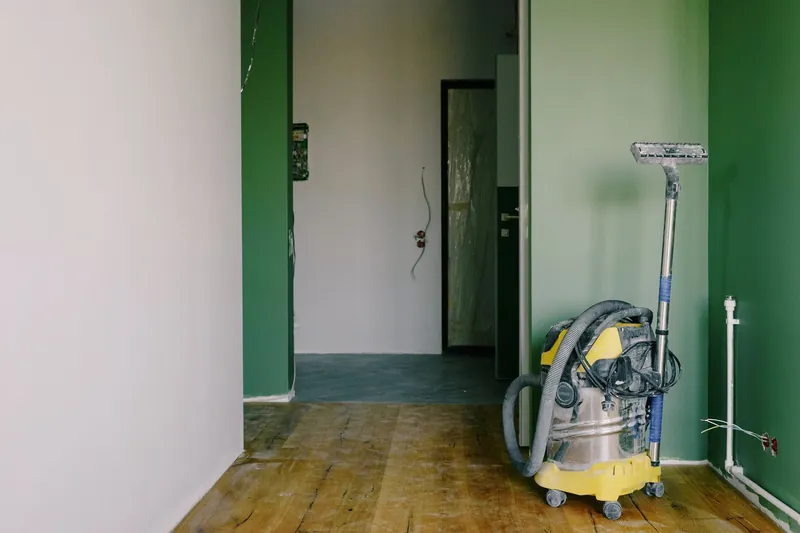
Your applicable regulations and clearance level depend on the state and locality. Ask the health, environmental or building authority which standard applies before cleanup begins.
Sampling plans, laboratory methods and clearance reports may need to follow a local protocol. Retain documentation in case renters, purchasers, property owners or authorities ask for it.
Do not automatically place unknown chemicals or contaminated debris in household trash. Waste classification and disposal depend on what is found and local rules.
Needles or other infectious waste found with drug materials need separate handling. Florida calls it biomedical waste, and the term covers absorbent materials saturated with blood or body fluids. The Florida Department of Health's rules control packing, transport and treatment, so it cannot go in household trash.
The full meth lab cleanup guide covers what is cleaned or removed, odor and air quality work, and the rules that apply in Florida and Osceola County.
Read the full meth lab cleanup guide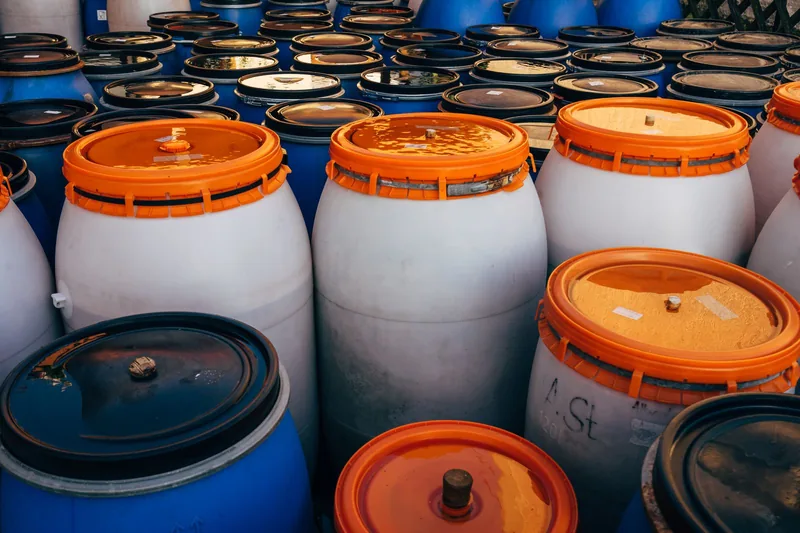
Local population patterns, housing and site access may affect how containment and cleanup are planned.
The relatively small 27.5% rental share does not change safety needs, but it can make property decisions more direct.
Because the median home dates to 2003, concealed moisture behind drywall or under flooring still deserves careful checking.
The local senior population includes 1,601 people living alone, and any cleanup in a home like theirs calls for discreet, respectful planning.
In an area with 82.1% single-family housing, sewage or fluids may reach lower levels through stairs, drains, and utility openings.
You can ask about cleanup in nearby communities and ZIP codes during the call.
Affected rooms, vehicle interiors and surfaces are decontaminated after fentanyl exposure.
See fentanyl decontamination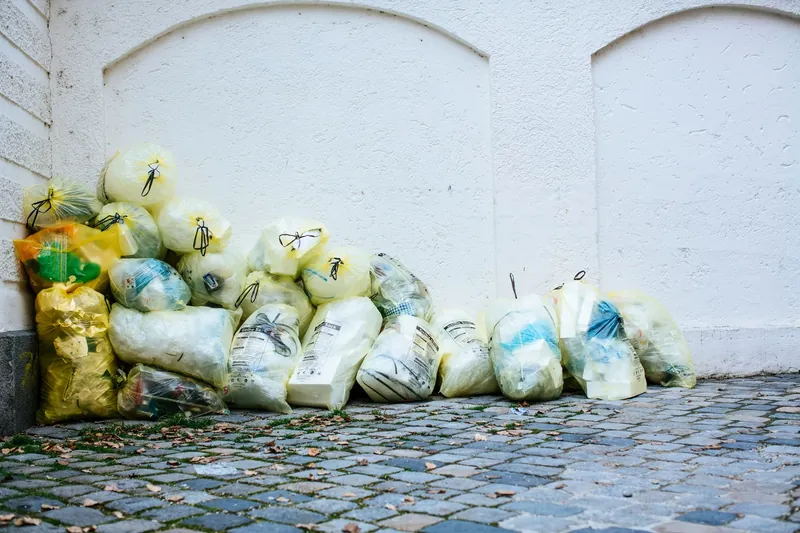
Needles, drug residue and pipes are removed from properties and rental units.
See drug paraphernalia cleanup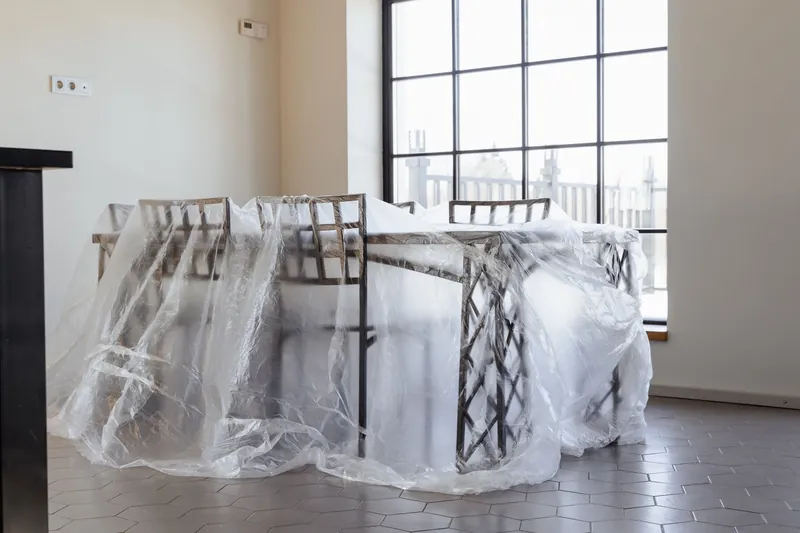
Cleanup of a grow house addresses mold, chemicals and harm caused by indoor cultivation.
See marijuana grow house cleanup
Protective equipment suited to hazardous materials is used during hazmat cleanup.
See hazmat cleanup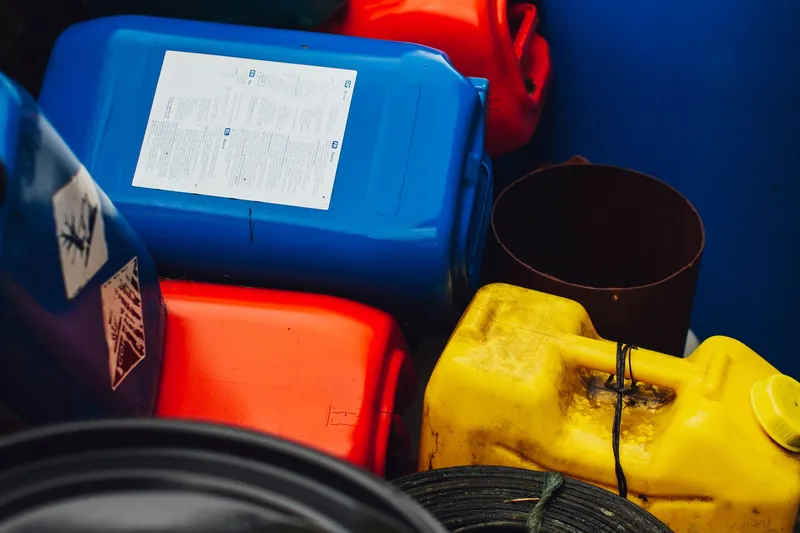
Safe disposal is included with chemical and toxic waste cleanup.
See chemical and toxic waste cleanup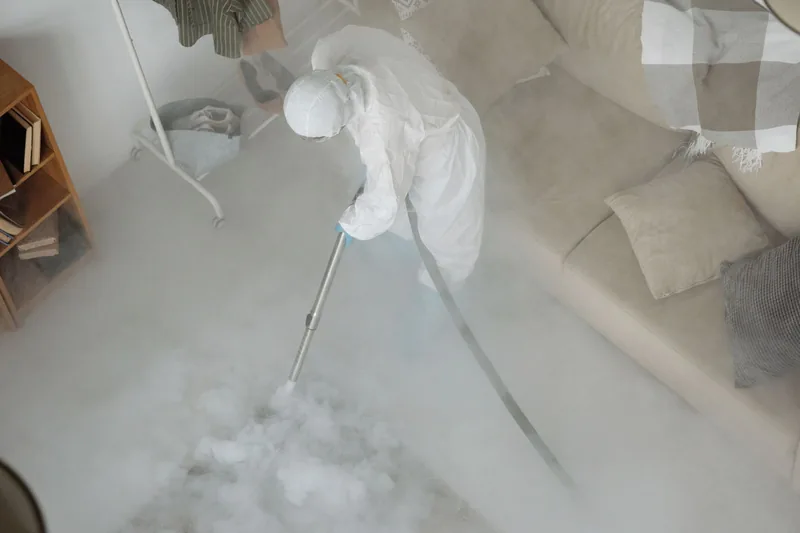
Complete decontamination treats the room, its surfaces and the air after a hazardous or infectious exposure.
See biohazard decontamination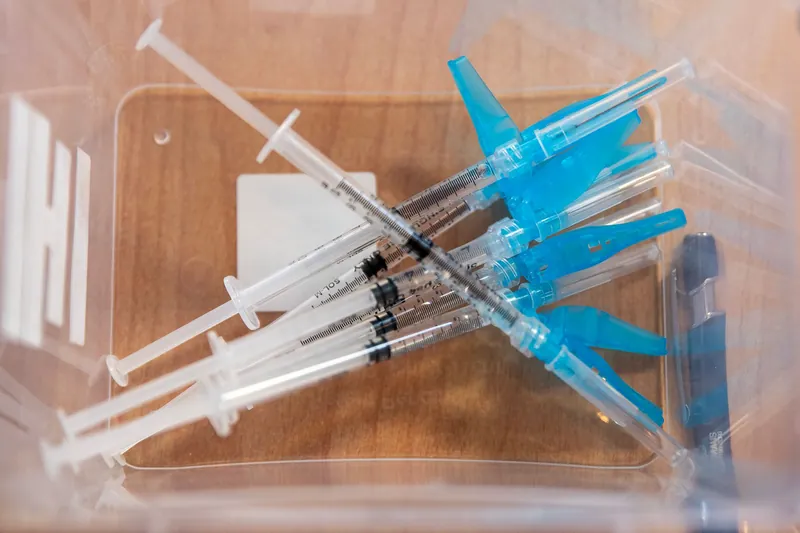
Needles and other sharps are removed from rentals, yards, encampments and parks.
See needle and sharps cleanup
Biohazard cleanup for hotels, Airbnb units and rental properties.
See hotel, airbnb and rental biohazard cleanupThe broad range from PushLeads runs from $5,000 to $120,000 and its typical average spans $15,000 to $20,000. The price changes with property size, whether meth was smoked or produced, HVAC contamination, testing, material removal and the number of cleaning or clearance rounds needed.
A controlled remediation process addresses a meth lab property affected by meth residue or manufacturing chemicals. Under applicable property rules, cleanup involves assessment, surface sampling, containment, removal of uncleanable materials, treatment of retained surfaces and post-remediation clearance testing.
A do-it-yourself attempt may distribute affected dust while leaving the outcome difficult to document. You cannot use ordinary cleaning products to test residue levels or establish clearance. Start with professional sampling and the local cleanup standard. Afterward, the written plan identifies what can undergo cleaning and what should be taken away.
Coverage depends on the policy, how the contamination occurred and any exclusions for pollution, contamination, criminal acts or vacancy. Notify the insurance company, describe how the issue was discovered and ask whether testing, remediation, removed materials, temporary housing and clearance sampling are covered.
Do not assume a property is ready because it looks or smells clean. The governing local rule and written advice of the appropriate environmental or public agency should determine when reoccupation occurs. Testing after remediation supplies measurable proof of whether additional cleanup remains necessary.
A sharp, solvent-like smell may remain after production, but you cannot use odor alone to prove contamination or clearance. No obvious smell does not mean the property lacks contamination. Get out if you notice strong chemical odor, do not touch any vessels and depend on sampling plus applicable requirements.
You can request respectful, discreet meth lab cleanup 24 hours a day, and crews use unmarked vehicles.