
Hoarder House Cleanout
Hoarder house cleanout clears a home room by room and includes hauling away trash.
See hoarder house cleanoutClear blocked rooms, sort personal property and clean the home without judgment. Hoarding cleanup can include hauling, deep cleaning, odor removal and biohazard remediation when waste or bodily fluids are present.
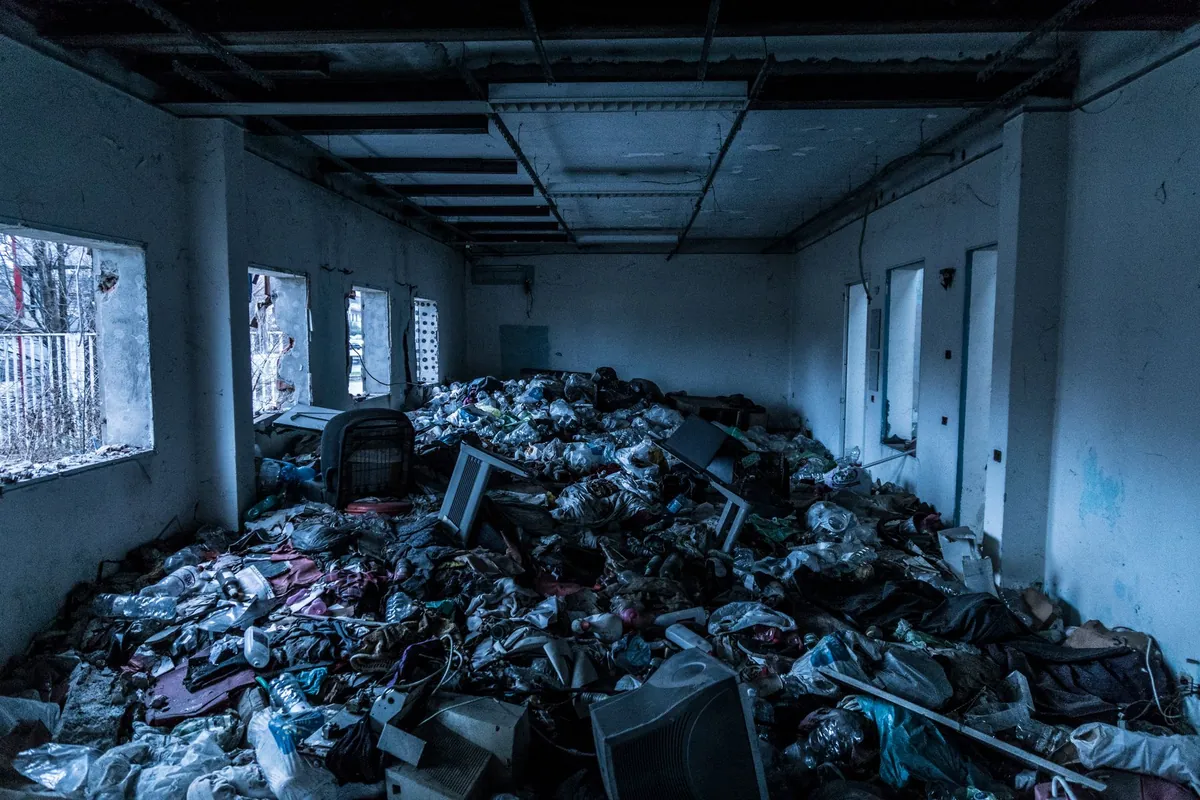
Hoarding cleaning services make rooms and exit routes usable by sorting possessions, taking away unwanted items and approved trash, and deep cleaning affected spaces.
Before anything leaves, the cleanup plan identifies belongings to retain, donate, recycle or throw away. Documents, medications, photographs and other personal items remain separate so you can choose what happens to them. Hauling alone is not a complete hoarding cleanup. When the approved removal ends, workers clean accessible floors, hard surfaces, fixtures and walls one room at a time.
In some properties, regular cleaning plus junk removal is enough. A different approach is needed if the home has mold, spoiled food, sharps, sewage, animal waste, feces, urine or bodily fluids. Protective gear, careful removal controls and biohazard cleanup then become part of the work. Planning should respond to hazards actually present, without making assumptions about the resident.
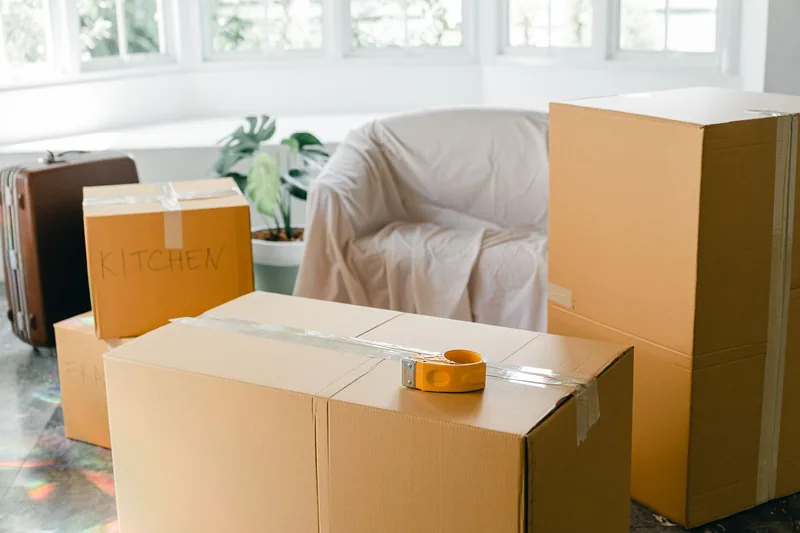
The plan separates sorting, hauling, deep cleaning, biohazard work and restoration, so you can see what each stage includes.
Based on hazards found, including animal waste, sharp objects and bodily fluids, the plan selects protective gear, work-zone controls and proper waste paths.
Decisions about your personal property continue to include you. A clear sorting plan protects wanted belongings and keeps uncertain items apart for later decisions.
The crew uses unmarked vehicles. Planning how items are staged, bagged and loaded can limit avoidable attention near your property.
The amount and condition of possessions can put normal housekeeping beyond what feels safe or manageable. Hoarder cleaning services may be useful in situations such as:
After payment, access and property choices are resolved, a tenant, owner or estate representative may need the rooms emptied and cleaned.
The EPA notes that wet materials may develop mold within 24 to 48 hours. Damp piles also obscure damaged items and make drying slower.
A move, sale or lease deadline requires careful decisions about what will stay, go to storage, be donated or be discarded.
Family members may need support as they sort extensive personal property while safeguarding heirlooms, important records, photos and meaningful possessions.
Your first priorities are safety and a manageable group of decisions. Important property may be lost in a hurried cleanout, while hidden dangers and added distress can result.
Call (888) 351-0904According to published hoarder cleanout cost guides, a light job at Level 1 has a $500 to $1,500 range. The range for Level 3 is $2,000 to $5,000 while severe Level 5 conditions have a $10,000 to $25,000 planning range. These ranges are not a quote. Final cost varies with home size, accumulation, hazards, access, disposal, hauling and post-removal cleaning.
These ranges come from published national cost guides, not from a site visit. An on-site assessment determines your property's price, which is explained to you before the cleanup starts.
Ask about cost: (888) 351-0904A policy does not necessarily cover hoarding cleanup. Payment depends on what caused the damage, the terms of your policy and the work portions accepted by the insurer.
Check whether an event covered by your policy, such as sudden water damage, is involved. Accumulation, routine cleaning and maintenance may be treated differently from damage caused by that event.
Before personal property from an estate is moved, its authorized representative should confirm authority over sorting, removal and payment decisions.
Confirm the covered cause of loss, required documentation, applicable deductible and whether cleaning and hauling are evaluated separately. Keep receipts, photographs and work-scope records because insurance companies may request them for insurance assistance.
Local rules, lease terms and damage to the property may determine who pays and makes arrangements. The property condition needs documentation, and the tenant and owner should discuss entry before work.
Your decisions should remain separate from the tasks of hauling and cleaning. Although every hoarding situation has different needs, a suitable team keeps the stages in safe sequence and makes each part clear:
The walkthrough identifies blocked rooms, unstable piles, water damage, pests, animal waste and other affected areas. Sorting starts only after recording priorities and who may make decisions.
Cleanup crews set work zones and walking paths. The hazards found determine whether workers select gloves, protective garments, respiratory protection or eye protection.
Belongings go into keep, donate, recycle, discard or decide later groups. Valuables and sensitive items such as records, photographs and medication move to a safeguarded decision space.
Only approved contents leave the property. Unwanted furniture and trash are contained or carried without spreading contamination into surrounding areas.
Anything affected by bodily fluids, animal waste, sewage or blood is isolated from regular contents. Hazardous waste must follow a waste disposal process that complies with all applicable rules.
Exposed floors, walls, cabinets, fixtures and other surfaces are vacuumed or washed. An EPA-registered product is applied wherever disinfection is necessary and remains for the complete contact time on the label.
Removing materials that cause odors comes first. Afterward, particles and odor left behind may be addressed through detailed cleaning, focused treatments and HEPA air scrubbers.
Your inspection covers open pathways, cleaned rooms, saved belongings and spaces still requiring drying, pest control, repairs or restoration services.
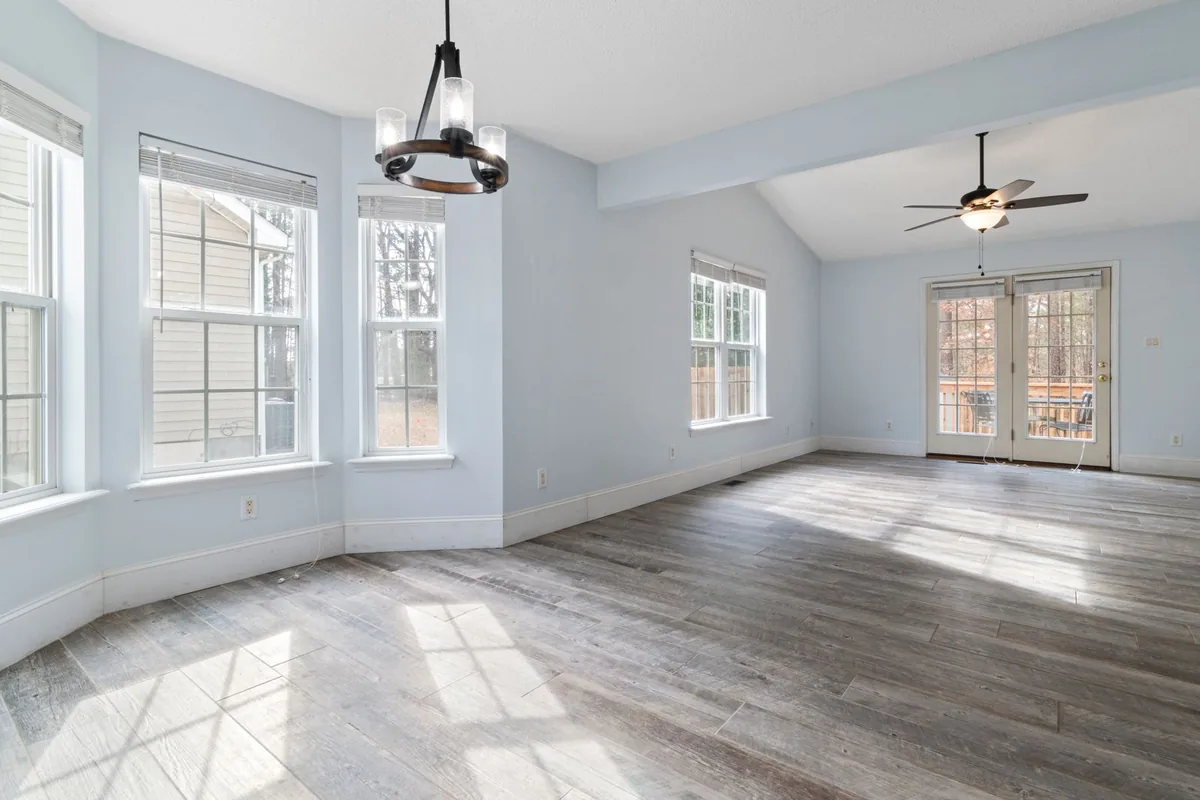
You can call anytime. You speak with a hoarding cleanup specialist who outlines the process and schedules a start time with you.
Blocked exits and the presence of waste, pests or moisture can create serious health concerns, while heavy accumulation may keep both physical and biological hazards out of view.
Loose needles, broken glass, medication and leaking chemicals should be identified and separated. Do not place them unsecured in regular bags beside household waste or clothes.
Overloaded flooring, unsteady stacks and restricted walkways create risks from tripping, objects falling and limited access. No worker should enter a visibly unsafe area or take objects from underneath a pile.
Sorting belongings may feel exhausting and emotionally challenging. To reduce pressure and keep control over personal property, set distinct choices, use limited decision periods and reserve a separate space for decisions.
Can you clean it yourself? You may gradually sort light clutter with gloves, sturdy containers and an open exit only when heavy mold, sewage and loose sharps are absent, with no bodily fluids, unstable piles or animal waste. End the work if no safe path remains through the space, you encounter a biohazard or a leaking substance is unknown.
No belonging should be treated as trash only because it sits in a crowded room. Removal decisions depend on your approval, the item's condition and what type of contamination affects it.
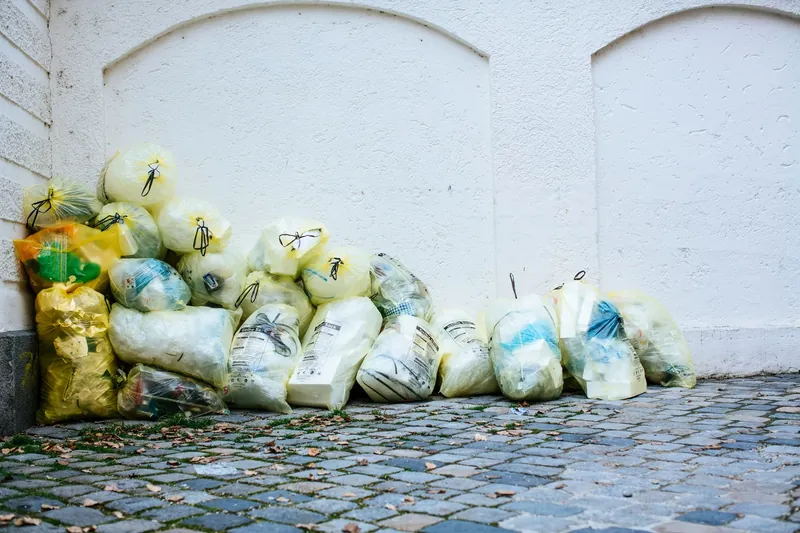
Hoarder house cleaning can last one day when the affected area is small and lightly accumulated, or multiple days when an entire home is involved. More time may be required for severe conditions, item-by-item choices, restricted access, repairs or biohazard remediation.
| Scene | Typical time on site |
|---|---|
| Light accumulation, one small area | Often about one day |
| Multiple rooms needing deep cleaning and sorting | Often several days |
| Severe whole-home accumulation or biohazards | May take a week or longer |
Hoarding odor removal starts by finding and removing the source. Spoiled food, trash, animal waste, urine-soaked carpet, sewage and damp materials each need a different response. Fragrance may cover a smell briefly, but it does not clean the material causing it.
After source removal, hard surfaces can be cleaned and disinfected where needed. HEPA vacuuming and air scrubbers can reduce particles in the work area. Carpet pad, drywall, cabinets or subfloor may need removal when contamination soaked into them. Persistent odor can also point to a hidden area that still needs inspection.
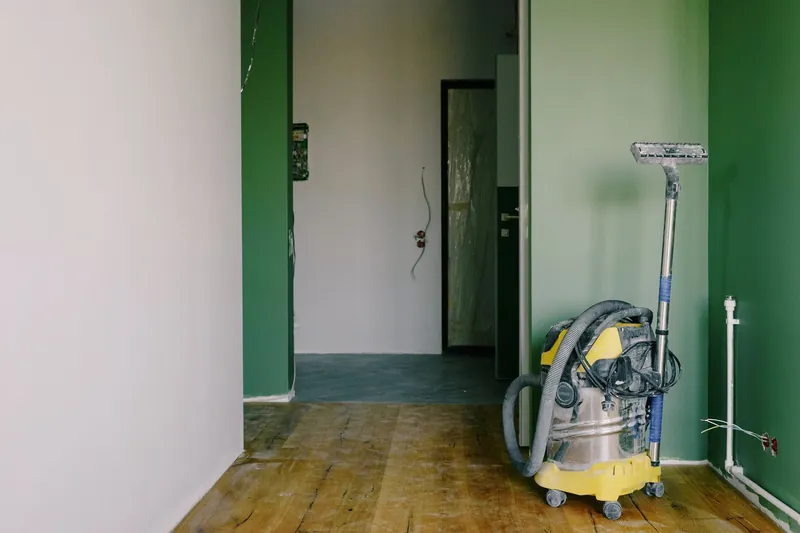
The full hoarding cleanup guide covers what is cleaned or removed, odor and air quality work, and the rules that apply in Orange County.
Read the full hoarding cleanup guidePlanning for access, containment and cleanup can depend on local population, housing and entry conditions.
A renter share of 56.2% makes privacy important during cleanup, especially where neighbors or building staff share entrances and hallways.
The 1979 median year matters during odor work because cabinets, wall cavities, and floor layers can hold the source.
A 24.0% share living alone still matters because delayed discovery can increase odor movement and the amount of affected material.
The local mix includes 55.6% single-family homes, so privacy measures should reflect both detached and multi-unit settings.
Ask on the call about cleanup options for neighboring communities and ZIP codes.
Hoarder house cleanout clears a home room by room and includes hauling away trash.
See hoarder house cleanout
Animal hoarding cleanup addresses waste, urine-soaked materials and odors caused by ammonia.
See animal hoarding cleanup
Cleanup addresses severe filth and squalor when a home has become unsafe to live in.
See filth and squalor cleanup
Belongings are sorted and safely removed as part of an estate cleanout after a death.
See estate cleanout after a death
Any property receives disinfection after removal of infectious materials, including bodily fluids and blood.
See biohazard cleanup
Human feces cleanup includes disinfection in homes, public restrooms and rental properties.
See human feces cleanup
For furnishings, flooring and subfloors, urine cleanup includes odor removal.
See urine cleanup
Death odor removal at the source with air scrubbers, hydroxyl and ozone treatment.
See death odor removalYou can hire cleanup help. Hoarder cleaning services can assist with sanitation and hauling, plus odor removal, deep cleaning and sorting. Ask whether you will approve discarded items, how important papers and keepsakes are protected, and whether the crew can manage any biohazards present. Your scope should identify every included task and room.
No. Junk removal primarily takes unwanted belongings away. Personal property decisions are part of hoarding cleanup, which may also include odor removal, biohazard remediation, deep cleaning and disinfection. Some jobs need both. Your scope needs to identify the contents being removed and the areas or surfaces receiving cleaning afterward.
Coverage depends on the policy and cause of damage. Ordinary cleaning and accumulation might not qualify for coverage, although damage from a covered occurrence may receive separate consideration. Confirm the applicable loss cause, necessary documents, deductible effect and whether the insurance company evaluates sanitation apart from hauling.
For Level 1 light cleanup, Dropcurb publishes $500 to $1,500, while the Level 3 range is $2,000 to $5,000 according to the same source. Its Level 5 severe cleanup range is $10,000 to $25,000. Property size, obstructed areas, disposal and hauling needs, deadlines, pests and animal waste can all affect the total. An on-site scope is needed for the property.
Never dispose of ID, important papers, medicines, keys, photos, valuables or sentimental possessions unless the authorized person has agreed. Put uncertain items in a protected decision area. Separate handling is necessary for contaminated materials, chemicals and loose needles instead of bagging them as ordinary waste beside clothes and household belongings.
Cleaning can take one day when the affected area is small and buildup is light. A full home usually needs more time because belongings must be reviewed before removal and surfaces cannot be cleaned until they are exposed. Work can take longer than the initial clearing if you have blocked areas, pests, animal waste, water damage, biological hazards or repairs.
Discreet, respectful hoarding cleanup, 24 hours a day, with crews in unmarked vehicles.