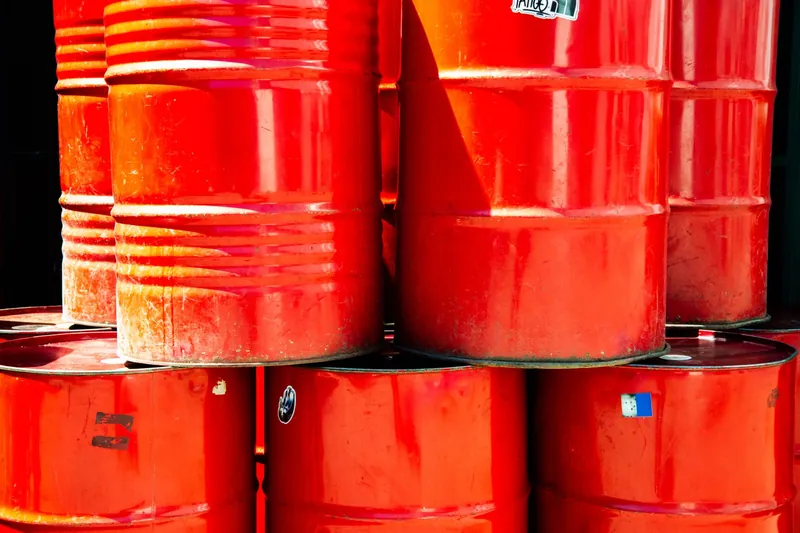
Biohazard Waste Disposal
Biohazard waste pickup and disposal in sealed, labeled containers.
See biohazard waste disposalArrange pickup of sharps, red bag waste and other accepted medical waste from a clinic, care setting, workplace or cleanup site in Oakland. Closed containers go through the appropriate treatment and disposal route.
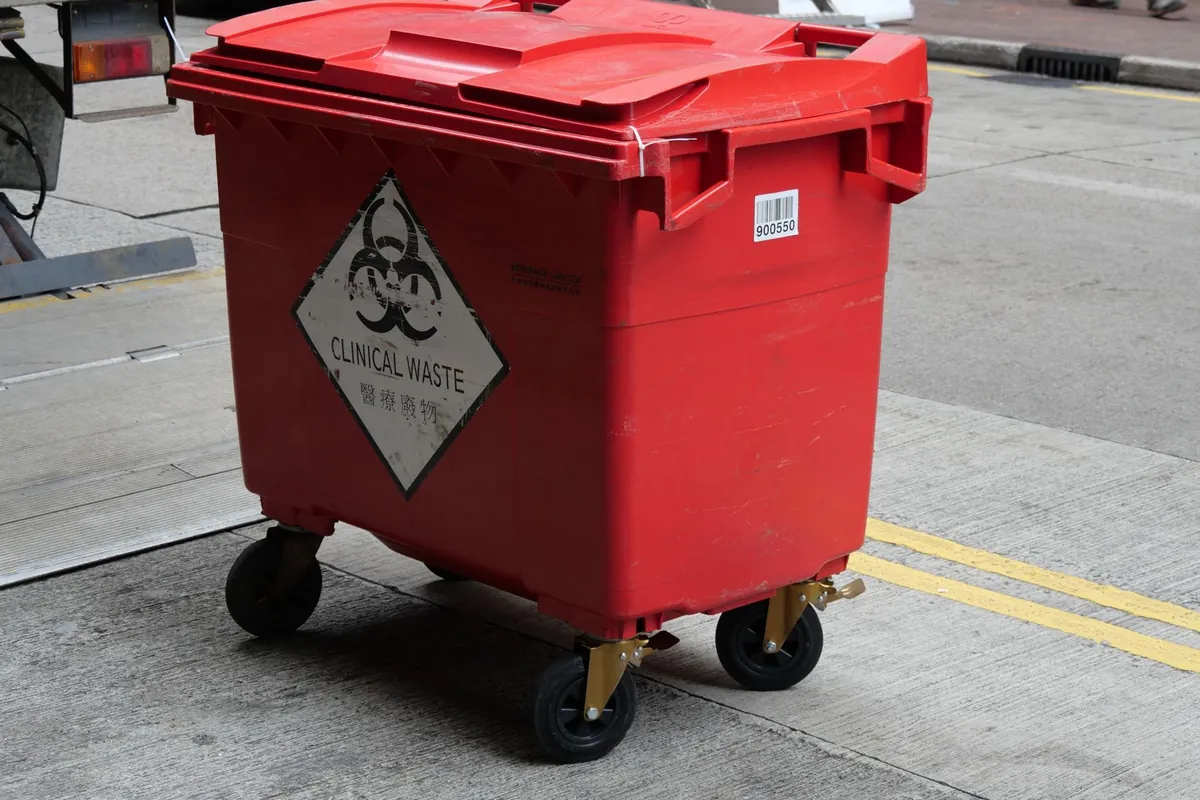
Medical waste removal means collecting, transporting and treating regulated material under controlled conditions. This includes sharps, items contaminated by blood and other waste that does not belong in normal trash.
A biohazard pickup service can serve tattoo studios, laboratories, care settings, medical and dental offices, plus other workplaces where this waste is generated. Professional cleanup services can arrange pickup for sealed waste produced during blood cleanup or biohazard remediation as well. First, the material must be identified by type and each type placed in a container that is compatible with it.
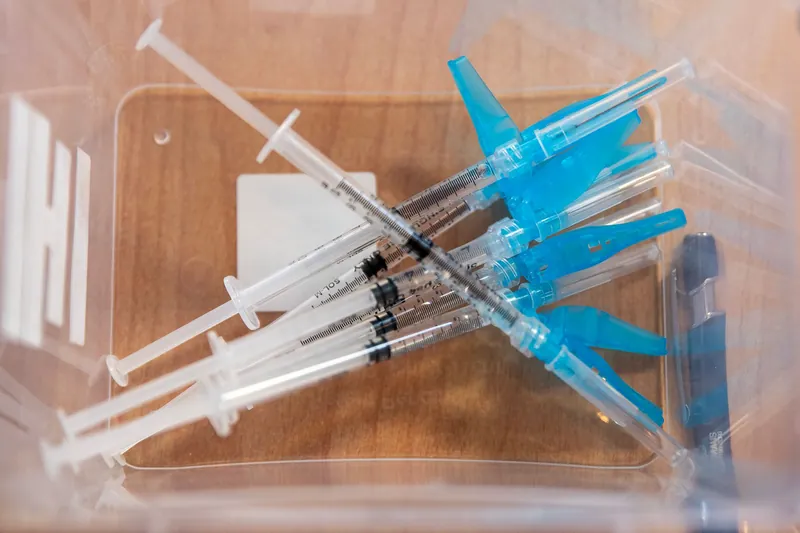
Do not treat medical waste as a single type of material. A puncture-resistant, rigid sharps container is needed for sharps. Saturated soft items containing blood or bodily fluids usually require a red biohazard bag and a closable container around it. Chemical, pharmaceutical, radioactive and general hazardous materials may be governed differently. Without confirmation, they must never be combined with the contents of a medical waste container.
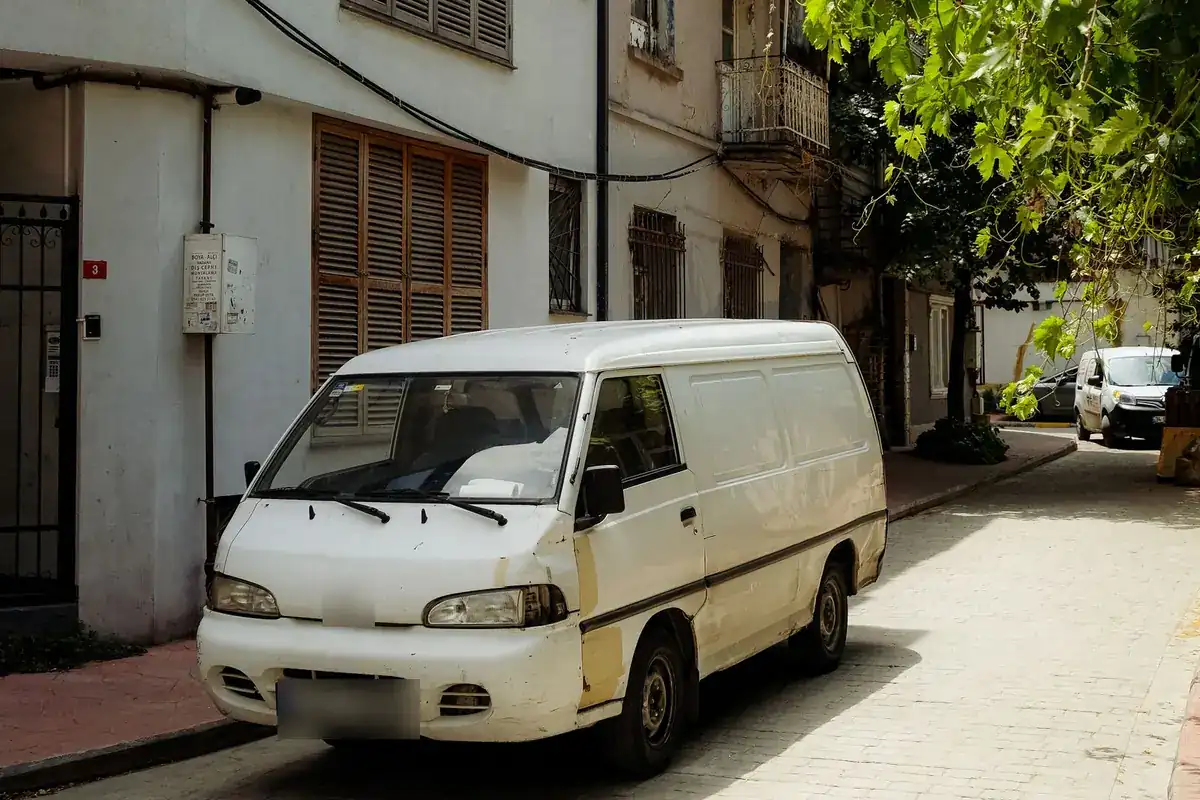
Crews can use unmarked vehicles when privacy matters and move closed containers carefully from your property.
Protective gear should match the identified material, and workers should not open or press down containers on your property.
To keep orderly records and move forward with your next service, use the defined schedule, pickup details and available tracking paperwork.
Find out in advance which lab materials, sharp objects, red bag waste and additional items the service will accept.
Medical waste pickup is needed when a workplace or cleanup site has regulated waste that cannot go into its regular trash. Common situations include:
After biohazard waste cleanup, affected areas may contain sealed bags or bins holding removed porous items, absorbent supplies and disposable protective gear that need approved disposal.
Before cultures, specimens or contaminated disposable items leave a lab, they may require distinct containers and clear identification.
Dental practices may generate sharps and blood-contaminated soft waste that must remain separated from regular office trash.
Physician practices and outpatient offices may need recurring collection for used sharps, saturated dressings, disposable protective equipment and other regulated items.
Keep others clear of any loose waste, then check the container type. Begin every situation this way. These actions lower the chance of contact and help cleanup technicians organize the pickup:
Call (888) 351-0904Published cost guides put the per-pound rate for broader medical waste disposal between $2 and $20 per pound. For regulated medical waste, the listed rate per pound is 30 to 80 cents. MedPro Disposal reports dental office monthly costs between $50 and $175 per month, compared with $75 through $200 each month for small physician practice pickup. Your actual charge varies based on containers, transport, pickup frequency, waste type and weight.
These ranges come from published national cost guides, not from a site visit. After an on-site assessment, the price for your property is determined and shared with you before cleanup begins.
Ask about cost: (888) 351-0904Routine pickup of medical waste is generally budgeted as an operating expense for a business. When a sudden covered event creates the waste, it may be considered alongside the associated cleanup claim. The cause and policy determine coverage.
When appropriate, retain affected area photos, the pickup record, cleanup scope, invoices and insurance claim number. Before throwing away claim paperwork, confirm the required records with your insurance company.
A laboratory, care location, clinic or dentist's office usually schedules its recurring collection independently. Check with the facility's waste-account manager to learn how pickup costs enter the budget.
If biohazard waste came from an abrupt incident, speak with your insurance company before disposal whenever you can do so safely. Find out if the claim can include cleaning, containers, transportation and disposal.
For rented commercial premises, the lease can specify the party responsible for waste disposal. Consult the rental agreement while making sure regulated materials stay away from common waste bins.
Identification and containment continue through every part of medical waste cleanup, from assessment to approved treatment. When biohazard remediation produces the waste, the remediation process remains incomplete until an approved treatment route is followed. The particular route varies with local requirements and the type of waste.
For an emergency response or a routine pickup, staff confirm what you have, how much has accumulated, the container condition and whether any material needs a separate waste stream.
Staff inspect every container to confirm it is closed securely and marked as required. Containers that leak, are loose or exceed capacity require attention prior to transport.
Closed containers are moved by cleanup workers wearing protective gear, with no on-site opening, separation or compression of their contents.
Each container remains upright and restrained during transport, preventing it from tipping, sliding or releasing contaminated materials.
For the person overseeing the event, collection data and available tracking records support a clear waste disposal file.
Accepted waste is treated at the receiving site through steam or another approved method appropriate for that material.
After treatment, material enters the facility's authorized disposal path. Sharps stay enclosed during the entire process to protect workers against puncture injuries.
Recurring service includes reviewing how much waste your location generates, what kind it is and whether container supplies and collection frequency fit those needs. Every step that shapes your next pickup is explained clearly.
Phone any hour. A specialist in medical waste removal takes your call, explains each step and agrees on a start time with you.
Loose sharps, blood-contaminated materials and leaking containers can create serious health risks, including punctures, exposure to bloodborne pathogens and contaminated surfaces.
Overfilled containers and soft bags offer poor protection against punctures from needles, blades and lancets. Never pick up a loose sharp by hand, bend it or try to recap it.
Surrounding areas, including shelving and floors, can be contaminated by damaged containers or ripped bags. Do not transfer what is inside unless you have protective equipment, and isolate the container.
Medicines, chemicals or radioactive items can require another waste category. Do not assume a red bag or biohazard label makes every material suitable for the same treatment.
Can you clean it yourself? For a small drop on a hard non-porous area, wear gloves, remove visible matter and apply an EPA-registered disinfectant for its entire labeled contact time. Call for professional cleanup when loose sharps, broken containers, porous materials, a larger spill or an unknown substance is involved.
Cleaning and removal are two different parts of biohazard waste work. The facility receiving an item and its assigned waste stream determine acceptance. Every material needs identification before pickup because some things bearing hazard warnings do not belong in red bags.
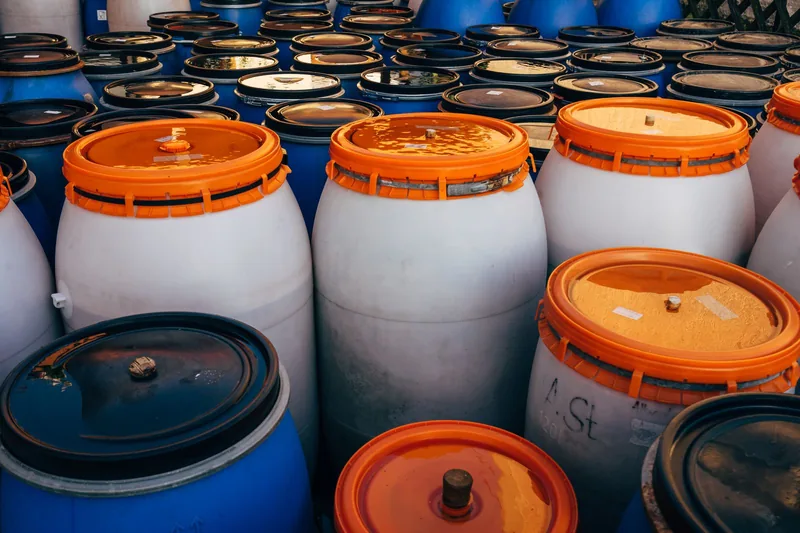
Collection time depends on the number of containers, site access and whether the waste is correctly separated before arrival. Treatment and final disposal happen after the containers leave your site, so those steps follow a different timeline.
| Scene | Typical time on site |
|---|---|
| Small scheduled pickup | A shorter visit is typical with ready, securely closed containers |
| One-time pickup with several containers | Requires additional time to inspect every waste category and container |
| Loose, leaking or unknown waste | Needs assessment and possible repacking before transport can begin |
Odor from a medical waste container can signal an open lid, a damaged bag, moisture or waste kept too long. Do not spray fragrance into the container or open it to investigate. Restrict access, check the outside for damage and arrange an assessment if the source is not clear.
Start odor removal by addressing its source instead of masking what is in the air. Once safe containment and removal of leaking or contaminated materials are complete, clean the hard surfaces. Then use an EPA-registered disinfectant throughout the label's full contact time. Ventilation or HEPA air cleaning may be part of air quality work, depending on how the room was affected.
The full medical waste removal guide covers what is cleaned or removed, odor and air quality work, and the rules that apply in Florida and Orange County.
Read the full medical waste removal guideLocal housing, population and access details can shape containment, access and cleanup planning.
Because renter occupancy is 17.1%, cleanup discussions often can focus on the household without a separate property manager involved.
Local housing has a median build year of 2009, so cleanup should protect intact finishes while removing materials that cannot be disinfected.
A 9.5% share living alone still matters because delayed discovery can increase odor movement and the amount of affected material.
Because 85.1% of local housing is single-family, owners often can make direct decisions about removing affected structural materials.
Ask on the call about cleanup options for neighboring communities and ZIP codes.
Biohazard waste pickup and disposal in sealed, labeled containers.
See biohazard waste disposal
Needles and other sharps are removed from rentals, yards, encampments and parks.
See needle and sharps cleanup
Biohazard cleanup addresses care homes, medical clinics and healthcare settings.
See hospital and healthcare biohazard cleanup
Planning for industrial and commercial biohazard cleanup considers operations and access to the site.
See commercial and industrial biohazard cleanup
Cleanup that controls hepatitis B, hepatitis C and HIV exposure from blood.
See bloodborne pathogen cleanup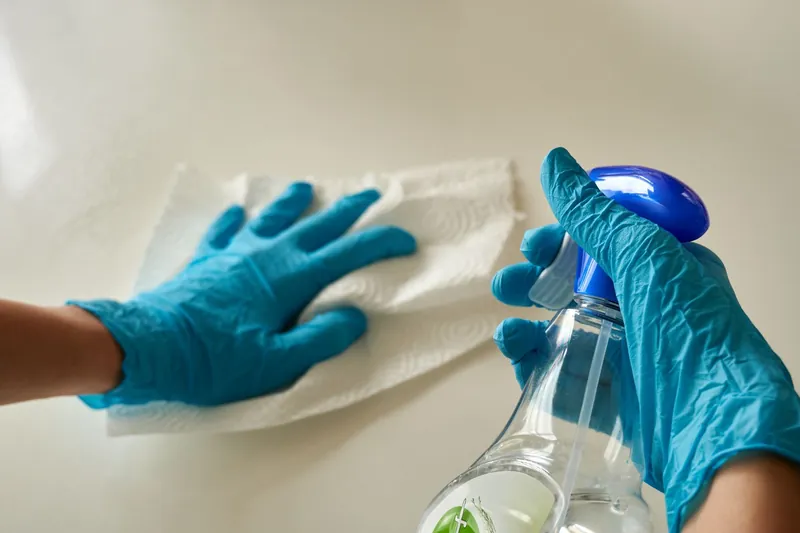
Blood cleanup clears blood from furniture, walls, hard floors and carpet, followed by safe disposal.
See blood cleanup
Bodily fluid cleanup removes fluids and disinfects affected areas in businesses, homes and care settings.
See bodily fluid cleanup
All surfaces receive full coverage with EPA-registered products for infectious disease disinfection.
See infectious disease disinfectionPublicly available cost guides show wide ranges based on the material and location. Guides give regulated medical waste a range of 30 to 80 cents per pound; for medical waste disposal, the range shown is $2 to $20 per pound. Container needs, transport, pickup timing, waste type and total weight all affect the charge.
Leave the waste unsorted and do not clean it directly. Restrict people from the space while leaving loose sharps alone and keeping the container untouched. Before disinfection, hard surfaces in the affected area may require removal of all visible matter. Use professional cleanup for leaking bags, porous materials, larger spills and unknown substances, with proper waste disposal afterward.
Only take waste to a drop-off location that clearly accepts your specific material and user type. Certain locations take sharps from homes while refusing commercial waste, medication and liquids. Before going, call for the site's instructions and make sure the container stays sealed throughout transportation.
Human waste can contain microorganisms and may need biohazard precautions when it is outside the body, especially when blood is present or a person could contact it. How you dispose of it varies with the substance, surroundings and local regulations. Confirm the material first instead of putting unidentified contaminated waste in a medical waste container.
Coverage depends on the cause of the contamination and your policy. Regular collection is not the same as cleaning up after an unexpected incident. Explain the situation to the insurance company, then check whether cleanup, container charges, transport and final disposal qualify for the claim.
Your initial step is to identify the material as a sharp, lab waste, medication, chemical, blood-contaminated soft waste or something else. Do not combine distinct waste streams. Prior to moving any container, confirm accepted materials and applicable state or local requirements with the collection service.
Crews carry out respectful, discreet medical waste removal, arrive in unmarked vehicles and take calls 24 hours a day.