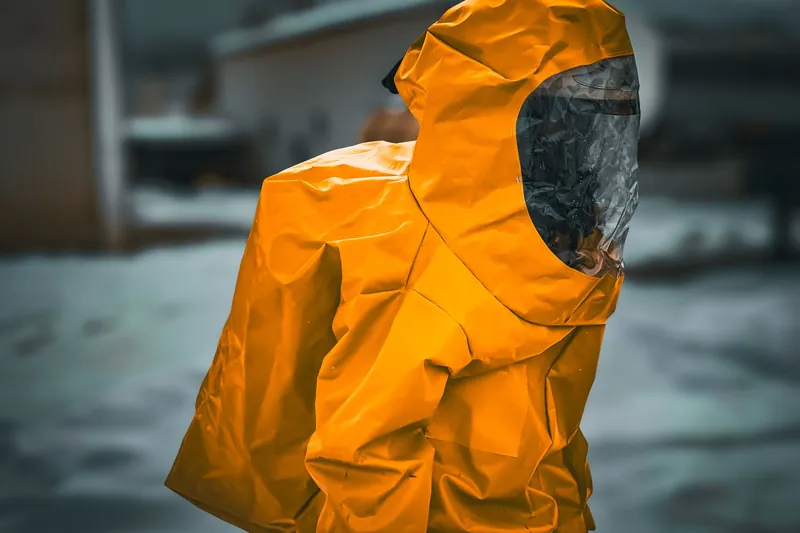
Biohazard Cleanup
Removal and disinfection of blood, body fluids and other infectious material from any property.
See biohazard cleanupDo not let people enter a space made unsafe by bodily fluids, blood, sewage or another biological hazard. Ask for clear guidance without delay. If law enforcement or other authorities are involved, the affected area must be released before cleanup starts.
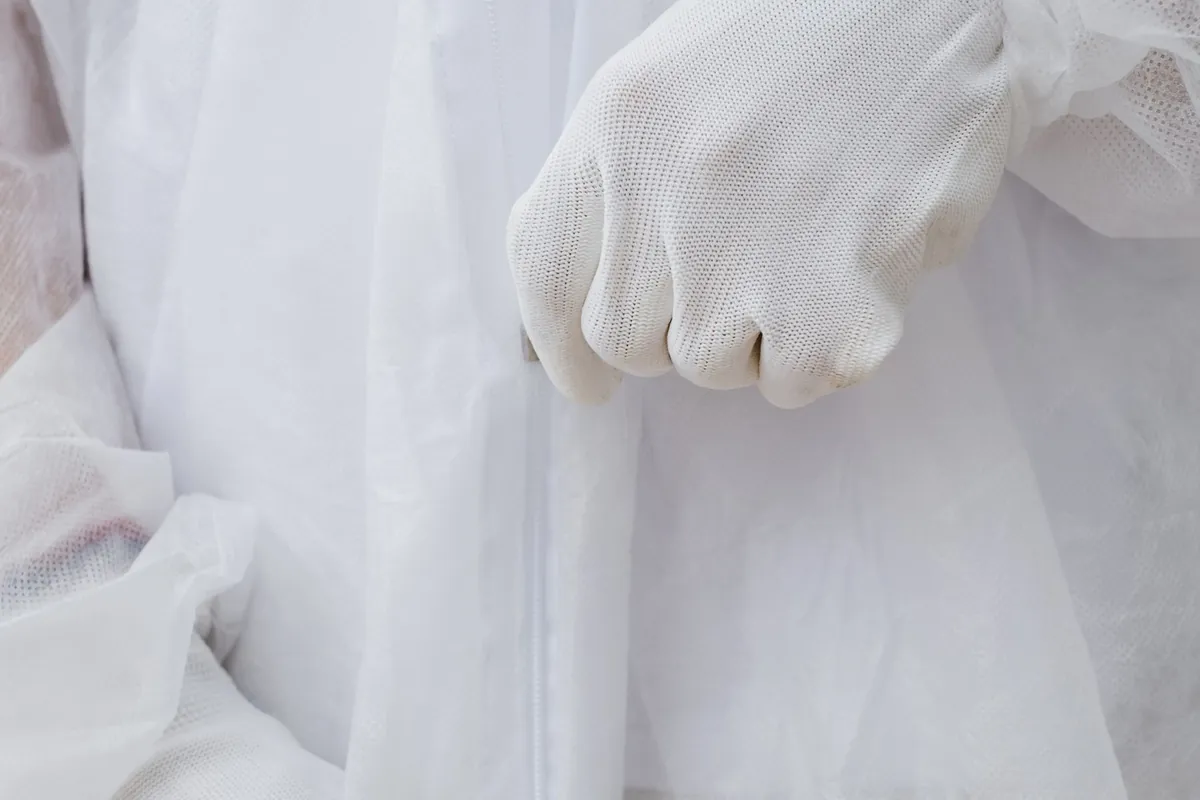
Emergency biohazard cleanup urgently controls and removes biological contamination, then cleans and disinfects the affected space. It applies to human waste, blood, bodily fluids and other material that could cause illness or injury through exposure.
Emergency cleanup may be necessary after an unattended death or crime scene, as well as a trauma, accident, sewage backup or substantial blood spill. The initial priority is stopping biological contamination from spreading beyond the affected space. Technicians locate the impact, establish isolation and organize a safe order for each cleanup task.
Removing what you can see is only ordinary cleaning. Remediation also calls for protective equipment, cautious removal of contaminated materials and cleaning each surface. An EPA-registered disinfectant is then used for all of its label contact time. The remaining work includes hazardous waste packaging, odor treatment and final inspection, with a clean space moving toward normal use as the goal.
You can report the event at any hour, receive safety directions right away and have entry, official release and cleanup needs reviewed.
Crew members travel in unmarked vehicles. Cleanup can remain separate and private from visitors, neighbors and portions of the building outside the affected area.
The cleanup process starts after you are told what can be cleaned, what could come out and why cost may change.
Photos, scope notes and waste records can help you explain the biohazard remediation work to an insurance company or property manager.
A serious health risk from biological material, or the chance that it will spread across a workplace, vehicle or home, can make emergency biohazard cleaning necessary. Common circumstances are:
A death found after time has passed may require fluid removal, odor treatment and careful sorting of nearby belongings.
Cleanup begins only after law enforcement releases the scene and confirms that evidence collection is complete.
Blood on flooring, furniture or walls can reach seams and porous layers. Keep others away and do not walk through the spill.
An accident, suicide or violent event may leave bodily fluids and damaged materials across one or more affected areas.
Your immediate priority is limiting contact and stopping contamination from moving. As you make professional cleanup arrangements, take the following steps:
Call (888) 351-0904Emergency work has no distinct range in published guides. For biohazard cleanup in general, the guides show a typical national range from $3,000 to $5,000. Residential averages span $1,800 to $4,500; most home projects fall between $2,500 and $8,000. The complete span published by Fixr is $1,500 to $25,000. Final cost can also be affected by urgency.
Published national cost guides are the source for these ranges, rather than an inspection of your property. The price for your property is set after the on-site assessment, and you hear it before work starts.
Ask about cost: (888) 351-0904Some commercial, renters and homeowners insurance may cover cleanup of a biohazard caused by a covered sudden event. Any coverage will depend on the cause and on the policy's limits, deductible and terms.
A tenant should notify the landlord or property manager. Who is responsible may vary with the contamination location, its cause, the lease and applicable policy.
Tell the insurance company what happened and ask whether cleanup, removal, odor treatment and later restoration fall within the claim.
Save your scene release, claim identifier, photographs, work scope, bills and documentation for waste. Ask your adjuster what must be documented before the scene is changed by cleanup.
Victims of violent crime can ask the Florida Attorney General's Bureau of Victim Compensation about cleanup, since its rules count crime scene cleanup costs as a compensable loss. Insurance is usually checked first.
Emergency response work is ordered carefully to limit movement of contaminated material toward clean spaces. The circumstances vary in every case, while the usual cleanup process contains these steps:
Cleanup technicians identify the type of contamination, trace the affected area and note materials, access limits and immediate safety concerns.
The affected work space is contained apart from clean rooms. Crews select personal protection based on the job duties and type of exposure.
Collection methods keep affected debris and liquids from moving into clean areas. Controlled sections of material are taken out when complete cleaning is not possible.
Crews clear away visible contamination before applying disinfectant. Removing debris allows disinfectant to contact the actual surface rather than rest on material above it.
Cleanable surfaces are treated with an EPA-registered disinfectant and kept wet for the full contact time stated on the label.
Sharps and contaminated materials receive secure containment, then move as required by medical or regulated waste standards.
After the source is removed, air scrubbers and other suitable treatments can address particles and odor in the room and nearby air paths.
The affected area is inspected for any contamination that remains. Project details, photographs and waste documentation can help property owners explain the work to insurance companies.
You can call anytime. You speak with an emergency 24/7 biohazard cleanup specialist who outlines the process and schedules a start time with you.
Even a spot that appears small or dry can present serious health concerns when it contains body fluids, sewage, sharps or blood.
Fluid can seep below trim and penetrate absorbent materials such as carpeting, underlay, drywall, furniture or subflooring. Cleaning only what you see might leave contamination underneath.
Hepatitis B, hepatitis C and HIV may be carried in blood. The CDC says hepatitis B can survive on surfaces for at least seven days, so dried blood still requires care.
You may feel upset by a sudden biohazard, especially after someone dies or a traumatic event occurs. A person you trust can coordinate access so you do not have to be near the scene.
Can you clean it yourself? On a sealed hard surface, a few fresh blood drops may be cleaned while you wear disposable gloves and keep EPA-registered disinfectant wet throughout the label contact period. Professional cleanup is appropriate when sharps are present, absorbent material was reached, the source is uncertain or the full edge of the spill is not visible.
There is no fixed cleanup time. The schedule depends on the type of contamination, the number of affected areas, the materials involved, whether fluids reached hidden layers and when the scene is released.
| Scene | Typical time on site |
|---|---|
| Small surface area on hard material | After evaluation, the work might be finished in one work period |
| Porous materials removed from a single room | May involve multiple phases that cover cleaning, material removal and inspection |
| More than one room, building material impact or odor | Restoration may not start until several work periods are completed |
The source of contamination must first be located and removed to address odor. Spraying a surface or adding fragrance cannot fix fluids hidden inside furniture, behind walls or below flooring. Air treatment should begin only after affected materials are cleaned or taken out.
Airborne particles can be filtered by HEPA air scrubbers in a controlled work zone. Hydroxyls may suit certain occupied environments. Ozone, however, needs the controlled space to be empty and requires care before reentry. The source, materials affected and paths through the air determine which approach fits. When odor could have moved beyond the immediate area, HVAC openings are inspected.
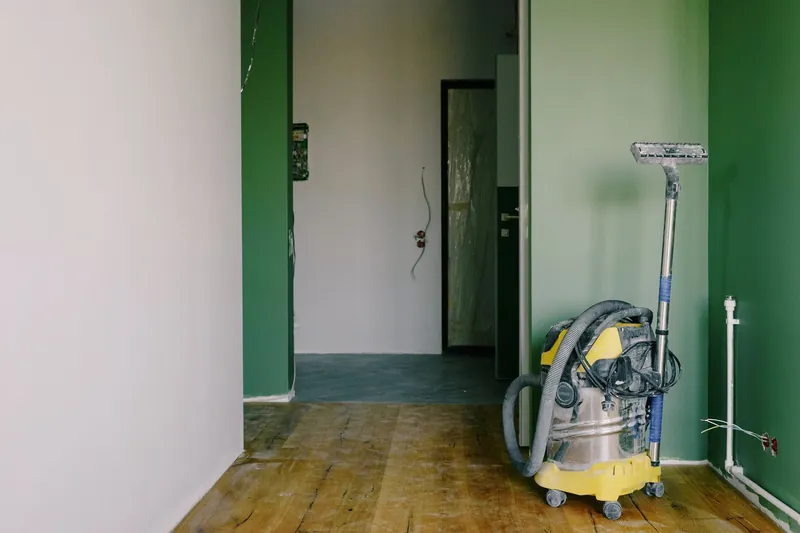
For jobs where blood contact is possible, workplace training, protective equipment, exposure safeguards and related methods are governed by the OSHA Bloodborne Pathogens Standard.
A disinfectant must be suitable for the target pathogen and surface. Keep the treated area wet throughout the product label's stated contact time.
Florida calls it biomedical waste, and the term covers absorbent materials saturated with blood or body fluids. The Florida Department of Health's rules control packing, transport and treatment, so it cannot go in household trash.
Florida uses district medical examiners, with the Medical Examiners Commission under the Florida Department of Law Enforcement overseeing them. Cleanup starts after police or the medical examiner release the scene.
The full emergency 24/7 biohazard cleanup guide covers what is cleaned or removed, odor and air quality work, and the rules that apply in Florida.
Read the full emergency 24/7 biohazard cleanup guide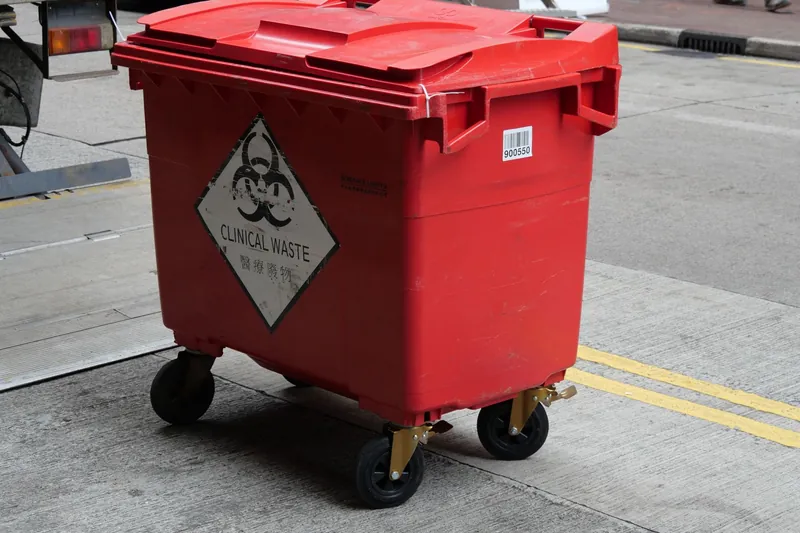
Local housing, population and access details can shape containment, access and cleanup planning.
A listed distance of 1.7 miles to Orlando Health gives a practical medical reference when someone has contacted blood or waste.
With South Eola, Lake Davis/Greenwood, and Downtown close by, accurate street and unit details help avoid confusion during a sensitive response.
In Lake Cherokee, identifying the correct building entrance can reduce unnecessary movement through shared spaces during a sensitive cleanup.
During your call, ask whether cleanup is available in surrounding communities and ZIP codes.
Removal and disinfection of blood, body fluids and other infectious material from any property.
See biohazard cleanup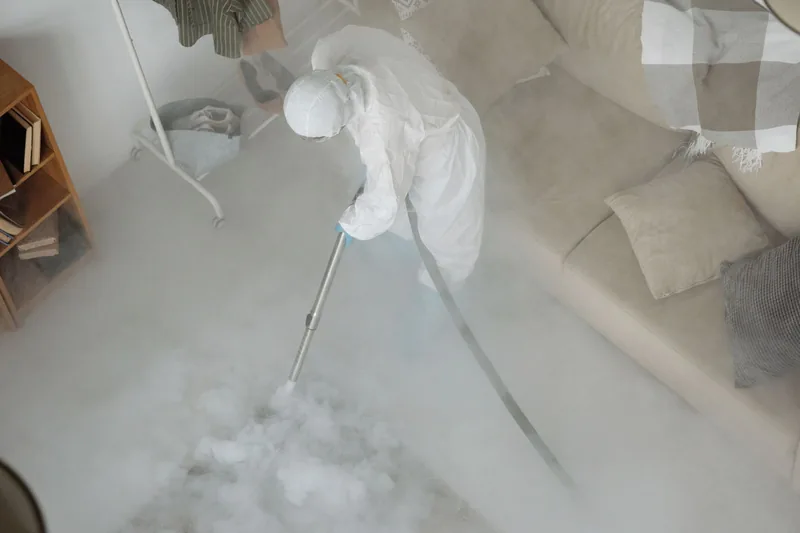
Complete decontamination treats the room, its surfaces and the air after a hazardous or infectious exposure.
See biohazard decontamination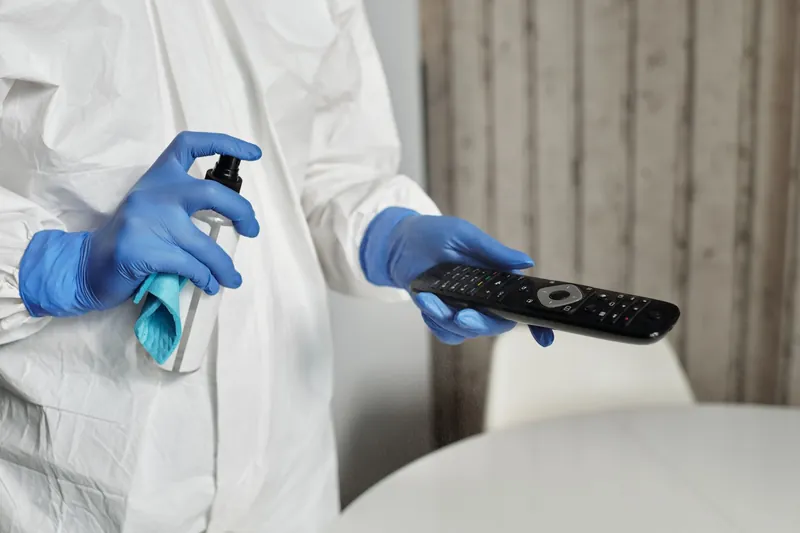
A contaminated space is restored to safe use through biological remediation and contaminant removal.
See biohazard remediation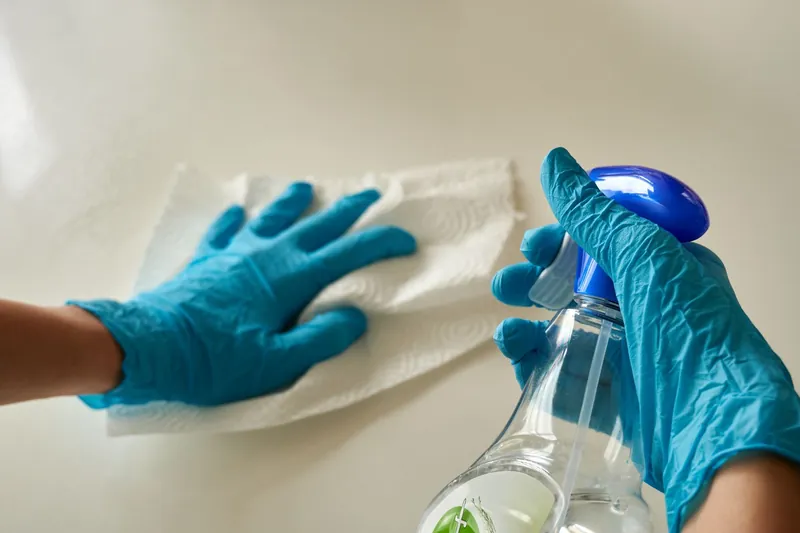
Blood cleanup clears blood from furniture, walls, hard floors and carpet, followed by safe disposal.
See blood cleanup
Trauma scene cleanup is needed after violent events, accidents and injuries.
See trauma scene cleanup
After the property is released by police, crime scene cleaning removes blood and controls odor.
See crime scene cleanup
When a death remains undiscovered for days, cleanup addresses decomposition and controls odors.
See unattended death cleanup
Raw sewage cleanup of Category 3 black water, with disinfection and drying.
See raw sewage cleanupPolice, emergency personnel and the medical examiner do not clean the property after their work is complete. A family member, property owner, landlord or other accountable party organizes death cleanup once the scene has been released. A professional cleanup team can remove contamination, disinfect surfaces, treat odor and document the work.
Emergency biohazard cleanup is urgent cleaning and disinfection after blood, bodily fluids, human waste, sewage or another biological contaminant affects a property. The work includes containment, removal of materials that cannot be cleaned, disinfection, waste disposal and odor treatment. Before work begins, police or another authority must release any controlled scene.
Move away from the spill, call 911 if anyone needs medical help, block access, avoid touching blood or sharps, wait for law enforcement to release any controlled scene, report a workplace exposure through the proper channel and arrange cleanup. Do not enter the affected area on foot or begin cleaning it yourself.
How long cleanup takes is influenced by the contamination and affected surfaces, the room count and whether liquids entered furnishings, wall cavities or subfloor. A small hard-surface area may take one work period. When cleanup spans several rooms, takes out porous items or treats odors, multiple work stages can come before restoration.
Yes, potential infection risks still require careful handling of dried blood. The CDC states that surface survival for hepatitis B can reach at least seven days. Do not scrape, sweep or vacuum dried blood because doing so may distribute the material. If more than a minor surface spot is affected, prevent access and arrange suitable cleanup.
Yes, if the biohazard scene is the source of the odor. The material causing the odor comes out first because fragrance only hides what remains. Once contaminated materials have been removed or cleaned, appropriate air treatment can reduce residual odor. The inspection may extend to surrounding rooms and HVAC access points where air could have traveled.
Crews carry out respectful, discreet emergency 24/7 biohazard cleanup, arrive in unmarked vehicles and take calls 24 hours a day.