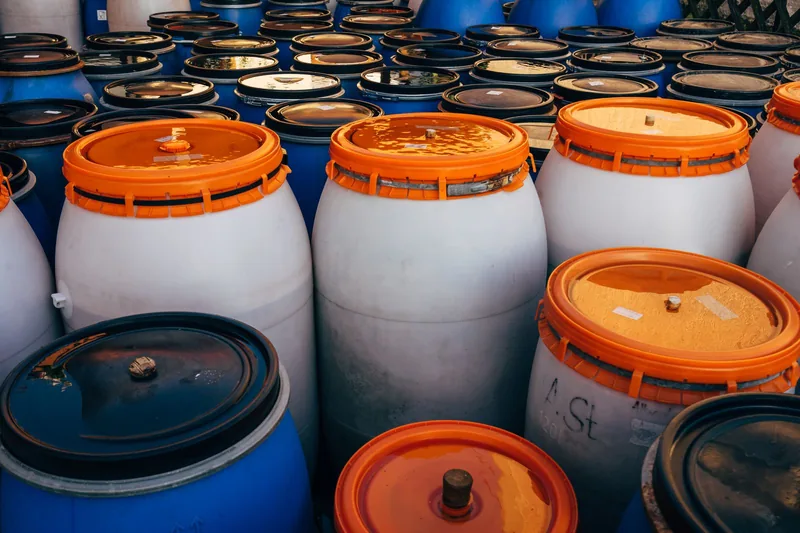
Hazmat Cleanup
Hazmat cleanup uses suitable protective equipment when addressing hazardous materials.
See hazmat cleanupGet tear gas and pepper spray residue removed from a home, apartment, rental, vehicle or business after the property is released. Cleanup can include surfaces, contents, filters, vents and affected porous materials.
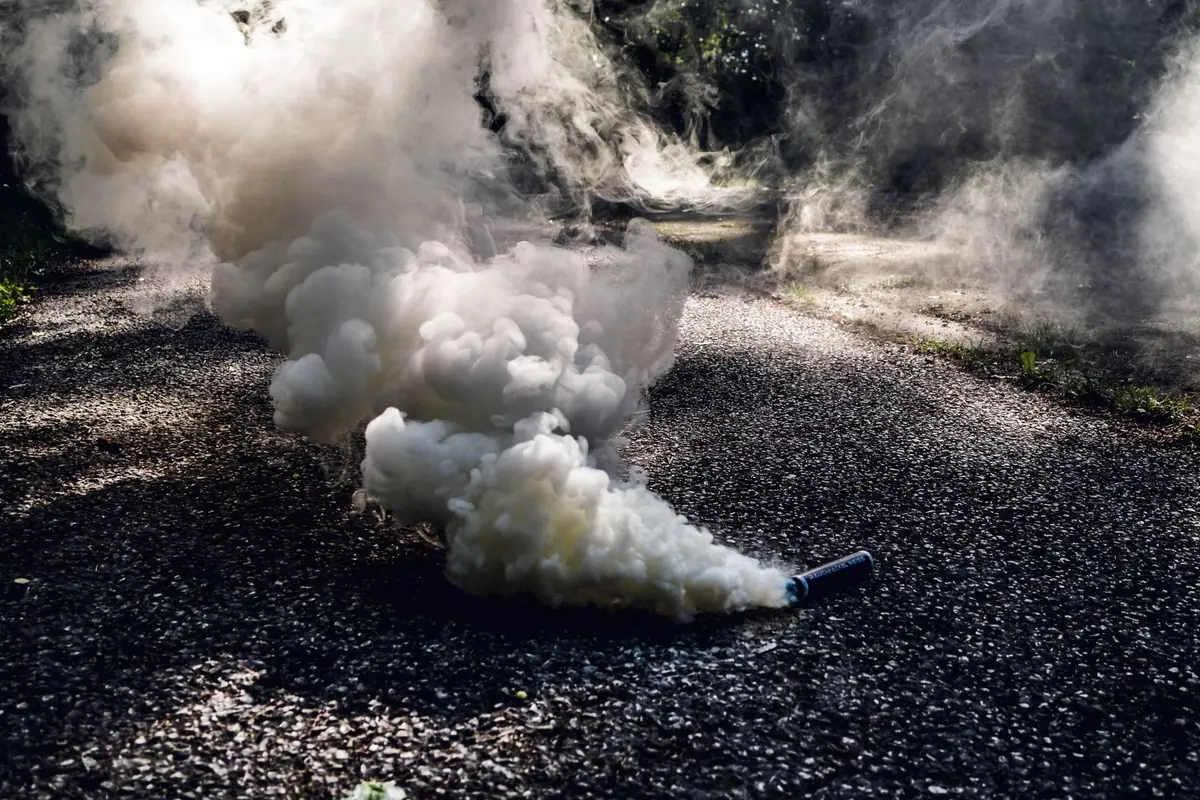
Tear gas cleanup is a controlled service that clears chemical irritant deposits following pepper spray use, a crowd-control event or law enforcement activity inside businesses, vehicles, rentals and homes.
A room can look clear while small amounts of residue still cover walls, furniture, floors, belongings and counters. Materials close by can retain a pepper spray film too. If you walk across the area, run the air system or move possessions, those actions may carry particles into spaces untouched by the initial release.
The first professional assessment maps the affected areas and, if the information exists, identifies the released product. With protective equipment in place, trained technicians divide the site into work zones and remove particles that are loose. Washable surfaces are addressed in a controlled order, with additional cleaning where deposits remain. The plan also accounts for ducts, ventilation, air filters, fabric or other soft materials and possessions that resist washing. Any accompanying blood or bodily fluid may add biohazard remediation to the job.

Calls are answered day and night, and crews arrive in unmarked vehicles to protect your privacy after a difficult incident.
Work zones and clean paths reduce transfer from the affected area into surrounding rooms while cleanup technicians move equipment and materials.
Sorting your personal property by condition and material shows which belongings may be cleaned, isolated or removed.
A scope names included air-system sections, contents, surfaces and rooms before the cleaning process, giving you details to compare the proposed work and make your decision.
Tear gas removal becomes necessary after residue lands inside an occupied vehicle or property. Because the irritant may travel, the scope has to reflect its full path. Typical situations include:
Before considering a warehouse, public building, office or store safe for normal use, the space needs controlled cleaning.
A self-defense spray was released in a bedroom, hallway or living area and residue reached nearby surfaces and belongings.
Residue in one unit may have reached a shared hallway, ventilation opening or neighboring space and needs a defined cleaning scope.
A home or business is released by law enforcement after an indoor irritant was used during a forced entry, standoff or similar incident.
Protect yourself by exiting the exposure area and avoiding actions that may spread the irritant. Ask loved ones to stay clear and give trained professionals an account of what happened. Take the following steps ahead of cleanup:
Call (888) 351-0904Published tear gas pricing guidance identifies $1,500 to $4,000 as the small apartment range, $3,000 to $10,000 as the single-family home range and $10,000 to $50,000 as the commercial property range. The source is crimescenecleanup.com. These figures are planning information, not a quote. Your scope depends on the property's size, materials reached, air-system contamination, time elapsed since the incident and required cleaning rounds.
These national ranges are taken from published cost guides, rather than a property visit. The price for your property is set after the on-site assessment, and you hear it before work starts.
Ask about cost: (888) 351-0904Insurance may cover tear gas cleanup, but the decision depends on the policy, the cause of the incident and any exclusions. Report the loss to the insurance company and ask for a coverage decision based on your specific claim.
The landlord or property manager typically coordinates a rental property's evaluation and cleanup. Payment responsibility varies with the situation, the policy wording and provisions in the lease.
A release connected to a qualifying crime may allow cleanup assistance, so ask whether you are eligible. Victims of violent crime can ask the Florida Attorney General's Bureau of Victim Compensation about cleanup, since its rules count crime scene cleanup costs as a compensable loss. Insurance is usually checked first.
Check whether your policy covers a temporary place to stay, air-system work, damaged building materials, personal property and chemical residue cleanup while the affected area remains closed.
Gather the incident identifier, release document, pictures, work scope, list of materials, invoices and disposal records in one place. Insurance assistance may be supported by the record, helping you move forward on the claim.
A controlled remediation sequence starts with property release and continues through the last inspection. At each stage, tear gas cleaning choices depend on air movement within the building, the affected materials and the rooms that were reached.
Cleanup technicians identify the release point, affected area, travel paths, HVAC layout, exposed contents and any damage caused during the incident.
Your scope identifies isolation areas, cleaning surfaces, belongings for relocation, filters needing attention and any material that could require removal.
Barriers distinguish the cleaning zones from clean areas, and technicians choose protective clothing, breathing protection, gloves and eye protection for the conditions.
Methods that control airborne dust are used to collect loose residue. Cleaning progresses downward to the floor and inward from less affected edges toward the point of release.
Detailed wet-cleaning methods are applied to suitable fixtures, cabinets, flooring, walls and ceilings. Areas with remaining irritation or visible film receive additional cleaning rounds.
To avoid spreading residue or harming materials unnecessarily, technicians choose methods suited to each washable content item and hard-surface finish.
If the system operated during or following the release, the check includes filters, accessible HVAC surfaces, supply vents and return openings.
A final check of treated rooms, belongings and adjoining areas looks for lingering odor, overlooked residue and surfaces requiring another pass.

Call any hour. A tear gas and pepper spray cleanup specialist answers, explains the steps and agrees a start time with you.
Disturbed tear gas or pepper spray deposits can cause renewed irritation to your breathing passages, skin and eyes. A medical professional should address any questions you have about serious health risks.
Mixing household chemicals does not neutralize an unknown irritant safely. Because chemical mixing may create another danger or damage materials, the method must be compatible with both residue and surface.
The air may look clear while fine particles still sit on hidden ledges, shelves, trim and flooring. Dry sweeping or ordinary vacuuming can put those particles back into the air.
Residue may travel outside the release room through open doors, people walking and HVAC operation. Nearby travel routes and air returns need to be included in the assessment.
Can you clean it yourself? Brief contact in open air and an interior release require different responses. Do not treat indoor tear gas residue as ordinary dust or rely on fragrance to hide it. Close off the space, skip DIY tests and request a scope addressing contents, surfaces and the air system.
Tear gas cleaning may take one work visit or several, with responsible timing set after the site is assessed. A release confined to hard surfaces is generally less complex than contamination across multiple rooms, porous belongings or the air system. If carpeting, drywall or other construction materials must come out, restoration services may be needed afterward.
| Scene | Typical time on site |
|---|---|
| Limited release on hard surfaces | When residue is limited to one location, cleaning might be finished during a targeted visit |
| Residence where belongings or the HVAC system are involved | Plan for area isolation, detailed surface work and repeat cleaning |
| Large commercial or multi-room property | Work may be phased by room so each area can be checked before reuse |
Odor work must start by clearing the residue itself. Quick airing, paint and fragrances may cover a smell but leave irritant material on wall surfaces, cloth, shelves or other places it settled. The absence of a strong smell is not evidence that people can safely return to the area.
Air quality work should follow the contamination path. That can include controlled ventilation, replacement of affected filters, cleaning around returns and supply vents, and attention to dust on accessible air-system surfaces. HEPA air cleaning can support the work, but it does not replace surface cleaning or removal of contaminated materials.
Law enforcement manages property access during an active incident and throughout evidence collection. Property release must occur before you go inside, move items or start cleaning.
To identify the substance and match methods to each surface, technicians can use any available product details, safety information and canister labeling. Never pick up or contact the device just to check its label.
Classification varies according to the residue present and the type of material. Local rules determine whether removed material is hazardous waste and which waste disposal path applies. Florida calls it biomedical waste, and the term covers absorbent materials saturated with blood or body fluids. The Florida Department of Health's rules control packing, transport and treatment, so it cannot go in household trash.
Federal worker protection, handling and training rules for cleanup involving bodily fluids or blood appear in the OSHA Bloodborne Pathogens Standard, 29 CFR 1910.1030 as applied to cleanup.
The full tear gas and pepper spray cleanup guide covers what is cleaned or removed, odor and air quality work, and the rules that apply in Florida and Lake County.
Read the full tear gas and pepper spray cleanup guide
Local population patterns, housing and site access may affect how containment and cleanup are planned.
In an area with 29.1% renter occupancy, direct homeowner approval can simplify choices about opening walls or replacing affected finishes.
A median build year of 1986 means fluids can pass through carpet or seams and affect padding or subfloor below.
About 1,465 older residents live alone in Eustis, representing 32.5% of seniors and making regular welfare checks especially meaningful.
In this housing mix, fluids may affect a private subfloor or cross into a shared wall cavity, depending on the building.
Ask on the call about cleanup options for neighboring communities and ZIP codes.
Hazmat cleanup uses suitable protective equipment when addressing hazardous materials.
See hazmat cleanup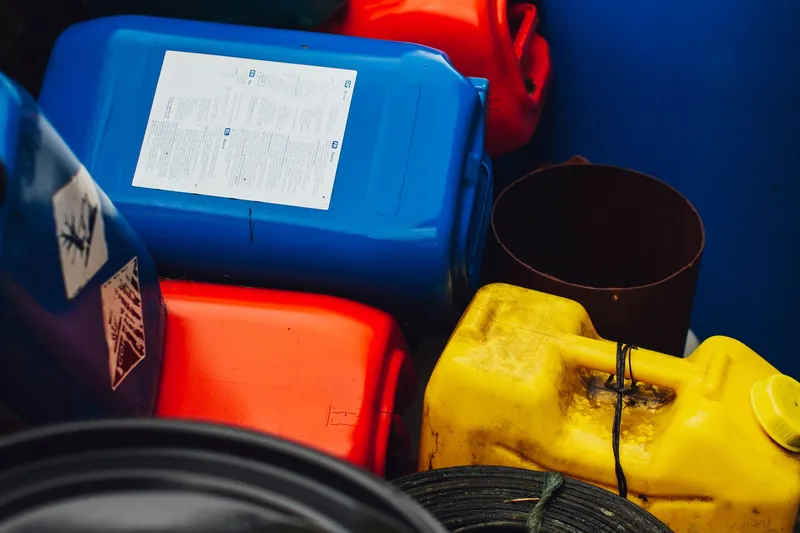
Safe disposal is included with chemical and toxic waste cleanup.
See chemical and toxic waste cleanup
Crime scene cleaning begins after police release and covers blood, odor and the affected property.
See crime scene cleanup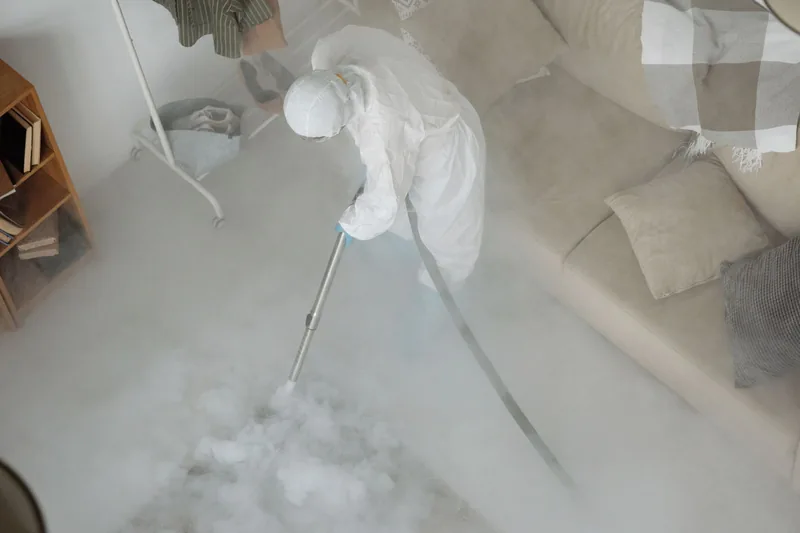
Rooms, surfaces and air receive complete decontamination following infectious or hazardous exposure.
See biohazard decontamination
Commercial and industrial biohazard cleanup planned around site access and operating needs.
See commercial and industrial biohazard cleanup
Biohazard cleanup addresses Airbnb accommodations, hotels and other rental units.
See hotel, airbnb and rental biohazard cleanup
Cars, boats, trucks and RVs receive vehicle biohazard cleanup.
See vehicle biohazard cleanup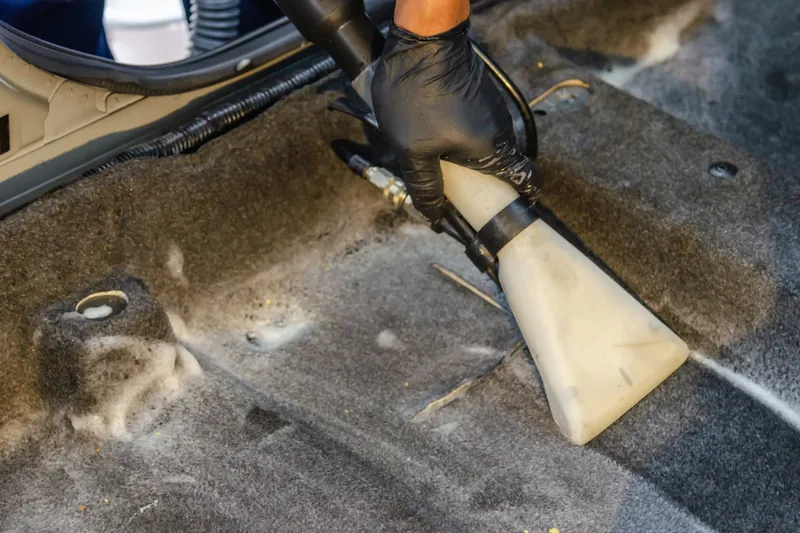
Cleanup treats biohazards on upholstery and carpeting, or removes affected materials safely when needed.
See biohazard carpet and upholstery cleaningNo one home-made mixture can safely neutralize all tear gas products across every kind of material. Do not mix cleaners or spread powders over the floor. During professional cleanup, technicians locate exposed surfaces, remove loose residue, wet-clean compatible materials, address soft contents and inspect the HVAC path. More than one cleaning round may be needed.
Both call for exposure control and detailed residue removal, but the products and carriers can differ. Each method must be compatible with the residue as well as the surface. Nearby textiles and finished surfaces can retain pepper spray, while dispersed tear gas may deposit fine particles over more of the indoor space.
Carpet, upholstery, curtains and other porous items can retain residue after it settles. Items that tolerate washing can sometimes be treated individually, whereas severely affected material may have to be taken out. Material type, item condition, level of exposure and access to residue without causing damage or contamination spread determine the choice.
For tear gas cleanup cost, the cited guide gives $1,500 to $4,000 for small apartments, $3,000 to $10,000 for single-family homes and $10,000 to $50,000 for commercial properties. Size, HVAC involvement, affected materials, time since exposure and repeated cleaning change the final scope.
Your coverage is determined by the cause of release, the policy terms and relevant exclusions. Report the incident to your insurance company. Ask about temporary housing, air-system work, personal property, affected building materials and cleaning the chemical residue. Save the law enforcement release, photos, work plan, bills and waste documents for the insurance company.
A small outdoor exposure is different from an indoor property release. Moving fabric items and using ordinary brooms or vacuums can spread particles during DIY work. Cleaning indoors may cover walls, overhead surfaces, personal belongings, HVAC components and materials unsuitable for washing. A professional assessment gives you a defined affected area and cleaning process before work starts.
You can request respectful, discreet tear gas and pepper spray cleanup 24 hours a day, and crews use unmarked vehicles.