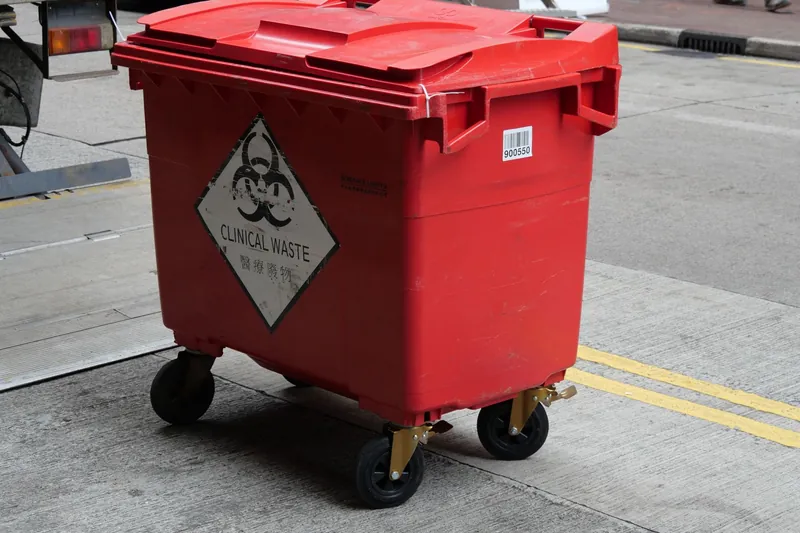
Medical Waste Removal
Medical waste removal and disposal through approved treatment facilities.
See medical waste removalGet blood, bodily fluids and contaminated materials cleaned from a hospital, clinic, dental office, laboratory or care facility in Casselberry. The affected area is contained, cleaned, disinfected and documented.
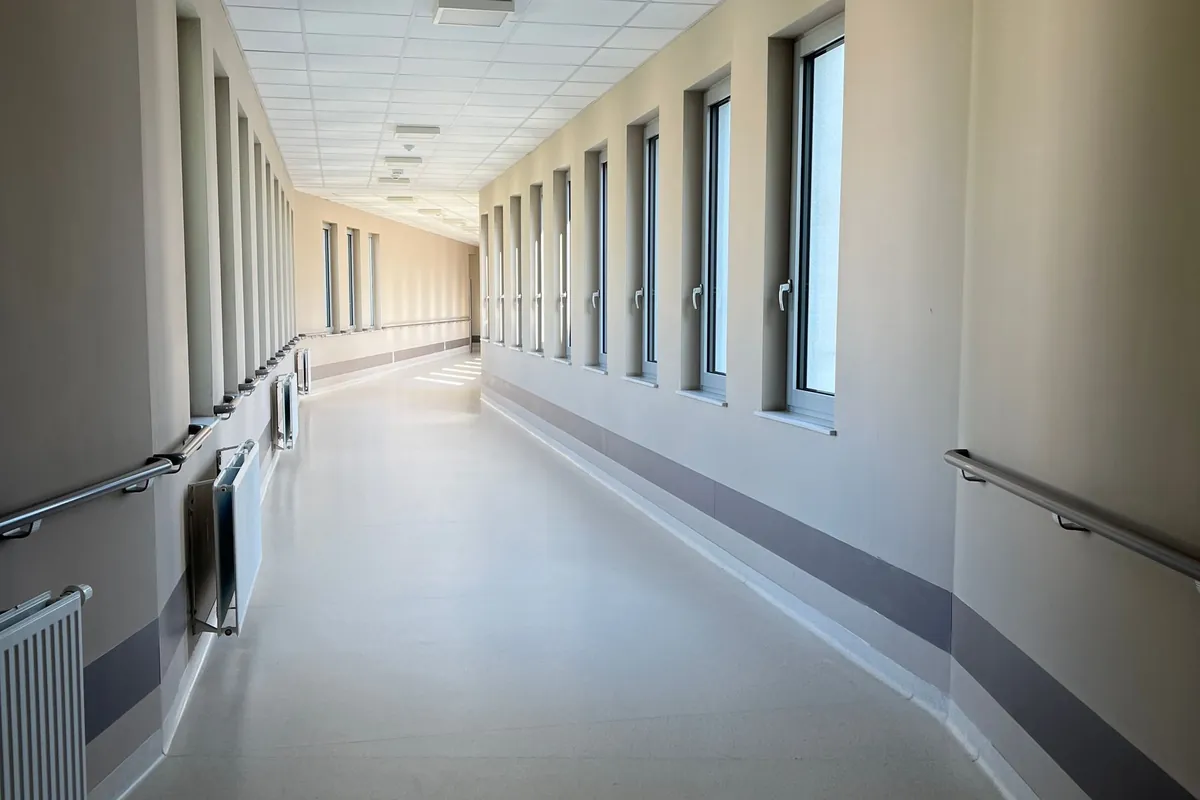
Hospital and healthcare biohazard cleanup is the controlled removal of blood, bodily fluids and contaminated materials, followed by cleaning and disinfection of the affected space.
A spill or emergency response that goes beyond routine environmental services can require professional cleaning. Settings include a clinic, laboratory, hospital room, dental office, nursing home, urgent care center, dialysis center or another place of care. Access is controlled while visible matter is removed, cleanable surfaces are disinfected and waste is packaged for the correct route.
A cleanup team first identifies the affected area and the surfaces involved. The entire process separates cleanable surfaces from materials that cannot be saved. Hard, non-porous materials may be cleaned and disinfected. Carpet, ceiling tile, unfinished wood, wallboard and other porous materials may need removal when contamination has soaked in. Sharps, medicines, hazardous materials and soft contaminated waste are kept in separate waste streams.
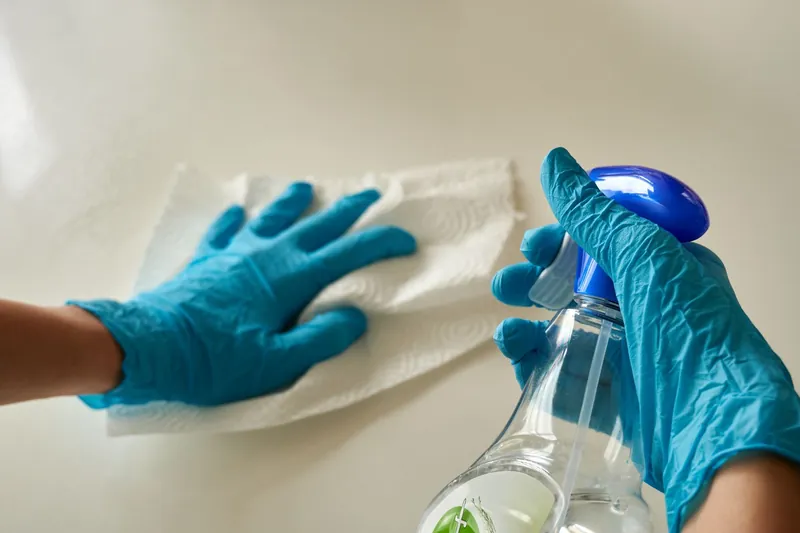
When comparing cleaning services, ask how the scope will describe the affected area, the surfaces that can stay, the materials that may need removal and the steps that affect cost. Clear answers help you compare the options.
Crews arrive in unmarked vehicles when privacy matters, and equipment can move along an agreed path that limits attention in occupied areas.
Containment, protective gear, cleaning, disinfection contact time and waste separation are reviewed with your facility contact before the area is returned.
Available waste records, allowed photos and scope details are arranged to help the insurance company, property representative or your administrator check the cleanup.
When blood or material that may be infectious escapes its intended containment and affects a surface, item or room, hospital biohazard cleaning is needed. You may encounter situations such as:
Bodily fluids such as feces, urine or vomit may contaminate restrooms, staff areas, waiting rooms and examination spaces.
When routine surface care cannot address contamination, an injury or a medical event, the room may need biohazard cleaning.
Careful removal is required when blood affects equipment exteriors, bed frames, walls or flooring, followed by the product's complete disinfection contact time.
After an unexpected event, spill or damaged waste container, laboratories, dental offices, outpatient centers and other healthcare settings may require cleanup.
People come first after a hospital blood spill, so consult the facility exposure control plan before cleanup starts in the healthcare space. When law enforcement has control of the area, await its release. Your first actions are:
Call (888) 351-0904No hospital-specific cost appears in the available published guides. General biohazard cleanup typically falls between $3,000 to $5,000. For residential work, the average extends from $1,800 to $4,500. The broader published span is $1,500 to $25,000. These figures are not hospital quotes. The affected space, access requirements, materials and waste determine actual cost.
These ranges come from published national cost guides, not from a site visit. After an on-site assessment, the price for your property is determined and shared with you before cleanup begins.
Ask about cost: (888) 351-0904Insurance coverage varies with the contamination's cause, facility policy and any agreement assigning responsibility. A sudden incident is treated differently from routine cleaning. Clear records allow insurance companies to evaluate the loss and help you take the next step.
Retain the work scope and invoices along with permitted photos and waste records you receive. Find out from your adjuster which records are needed before repair work or disposal changes the affected area.
Ask the insurance company whether the policy covers waste disposal, cleanup work, removed materials and related restoration. Document what caused the event and record your claim number.
Facilities generally budget for regular environmental cleaning and repeated collection of medical waste as planned expenses. Ask your administrator or facility contact which internal account applies.
A clinic lease may assign cleanup or building repair duties between the tenant and property owner. Notify your property contact and examine the lease prior to taking out any structural materials.
Hospital cleanup moves in a controlled order from assessment and containment to disinfection, waste packaging and a last check. This structure protects nearby areas and makes the work understandable to facility staff. The particular materials, affected surfaces and internal facility procedures shape the final scope.
Cleanup technicians start after understanding the event, mapping the affected area and identifying porous materials, chemicals, sharps, blood and bodily fluids.
A clean entrance path is set after access is controlled, helping protect adjacent rooms and equipment from needless movement through the contaminated space.
Protective equipment is matched to the known exposure, including gloves, clothing, eye protection and respiratory gear, because every situation can need a different setup.
Crews first absorb visible material, then remove it. Cleaning begins at the outer edge and avoids spreading liquid into floor seams or nearby surfaces.
After washing, cleanable surfaces receive an EPA-registered disinfectant and remain wet throughout the complete label contact time.
Porous items that cannot be fully cleaned are removed carefully. The correct waste routes require separate handling for medicines, chemicals, sharps and soft waste.
Hazardous waste is placed in the correct closed container without compressing bags or mixing incompatible materials. Crews inspect the outside before moving it beyond the cleanup area.
The work area is reviewed with your facility contact, and available photos, scope notes and waste records are organized for the facility's files.
Phone any hour. You speak with a hospital and healthcare biohazard cleanup specialist who outlines the process and schedules a start time with you.
Blood and bodily fluids can present serious health risks, as can loose sharps and unseen contamination, when unsuitable equipment or an incorrect cleaning sequence is used.
Trying to pick up a needle or contaminated glass by hand, or compacting the waste, can cause injury when the sharp object penetrates a standard bag.
Liquid can run beneath furniture, under wall trim or into floor seams. Material touched by the spill can be missed if only its obvious center is cleaned.
HIV and hepatitis B and C can be present in blood. The CDC reports that surface survival for hepatitis B can last at least seven days, which means dried blood must still be approached with proper precautions.
Can you clean it yourself? Under your facility's blood spill procedure, prepared and assigned staff may address a small spill affecting a non-porous hard surface. When a spill exceeds facility capabilities, reaches absorbent material, contains loose sharps or has unknown limits, close off the area and request professional cleanup.
There is no standard duration for hospital biohazard cleanup. Work on a contained spill across hard surfaces may finish sooner than contamination affecting multiple rooms or spreading below porous flooring, while facility access also influences timing.
| Scene | Typical time on site |
|---|---|
| Contained spill on cleanable surfaces | A final check follows assessment, cleanup, contact time and material removal, and all affect when work finishes |
| One room with porous materials | Coordinating restoration services or repairs, packing waste and completing removal can lengthen the job |
| More than one area or waste stream | Containment, access planning and staged work create a longer schedule |
A lingering odor can indicate that affected material remains inside a porous surface, seam, nearby object or waste container. Source removal is the starting point for odor control because fragrance cannot clean contamination. Restrict access to the impacted space before any air treatment begins.
Once the source is removed, hard surfaces can be cleaned and disinfected for the full label contact time. HEPA air cleaning may capture airborne particles during controlled work, but it does not replace surface cleaning. HVAC returns and nearby rooms should be checked when odor has traveled beyond the original area.
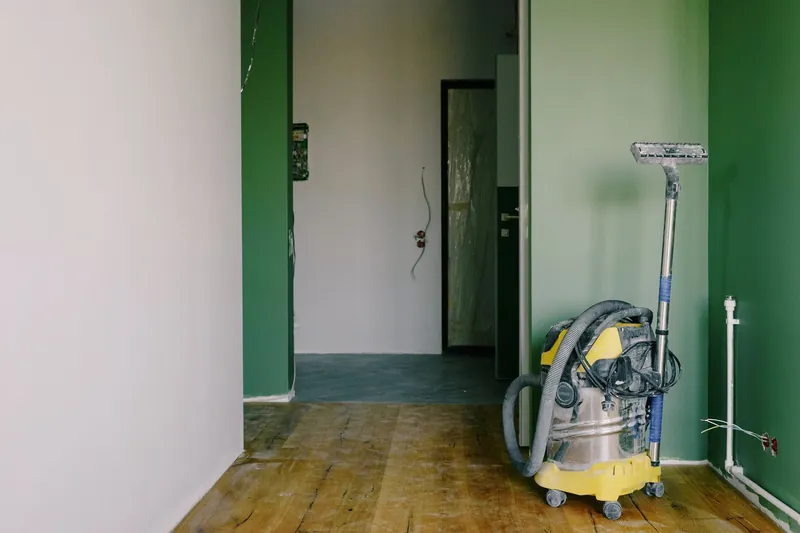
The OSHA Bloodborne Pathogens Standard, 29 CFR 1910.1030, establishes worker training, exposure controls, protective equipment and work methods for possible blood contact.
Apply a disinfectant registered by the EPA for use on the specific surface and target organism. The surface must remain wet for the full contact time on the product label.
Florida calls it biomedical waste, and the term covers absorbent materials saturated with blood or body fluids. The Florida Department of Health's rules control packing, transport and treatment, so it cannot go in household trash.
Local health and building rules can affect how a contaminated room is cleaned and when it can be used again, so mention any notice you have received from the city or county.
The full hospital and healthcare biohazard cleanup guide covers what is cleaned or removed, odor and air quality work, and the rules that apply in Florida and Seminole County.
Read the full hospital and healthcare biohazard cleanup guideLocal housing, population and access details can shape containment, access and cleanup planning.
Renters make up 40.5% of households in Casselberry, so cleanup planning should work for both owner occupied and leased homes.
Local housing centers on 1983, making inspection beneath finished surfaces important when contamination extends past the visible area.
When 35.5% of seniors live alone, clear item documentation can help an absent relative make careful decisions about belongings.
Single-family homes represent 58.1% of housing in Casselberry, creating a mix of detached properties and buildings with shared spaces.
You can ask about cleanup in nearby communities and ZIP codes during the call.
Medical waste removal and disposal through approved treatment facilities.
See medical waste removal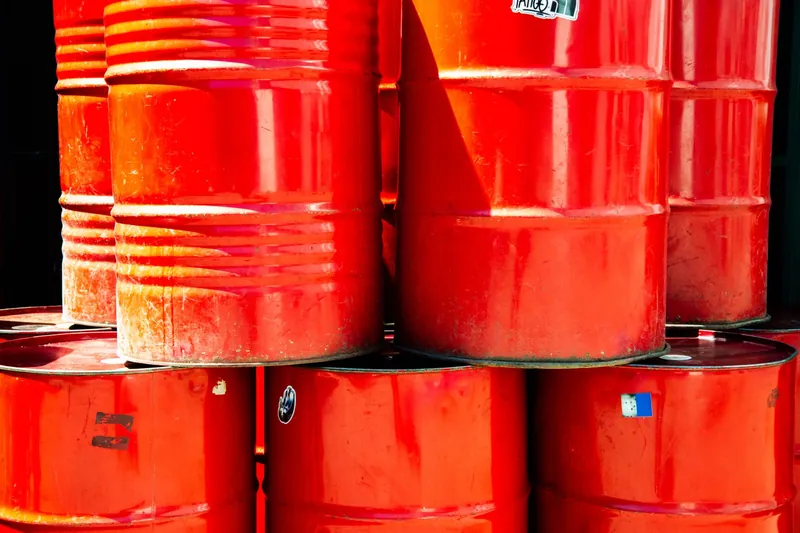
Biohazard waste is collected in labeled, sealed containers and taken for disposal.
See biohazard waste disposal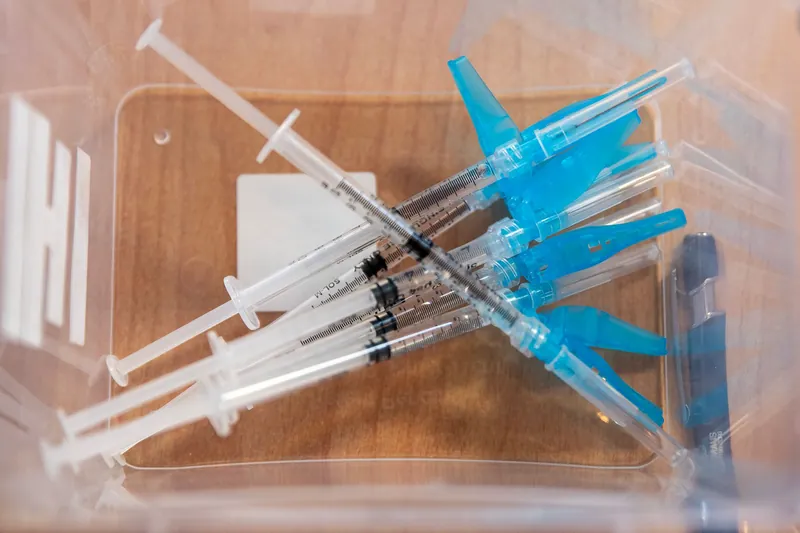
Needles and other sharps are removed from rentals, yards, encampments and parks.
See needle and sharps cleanup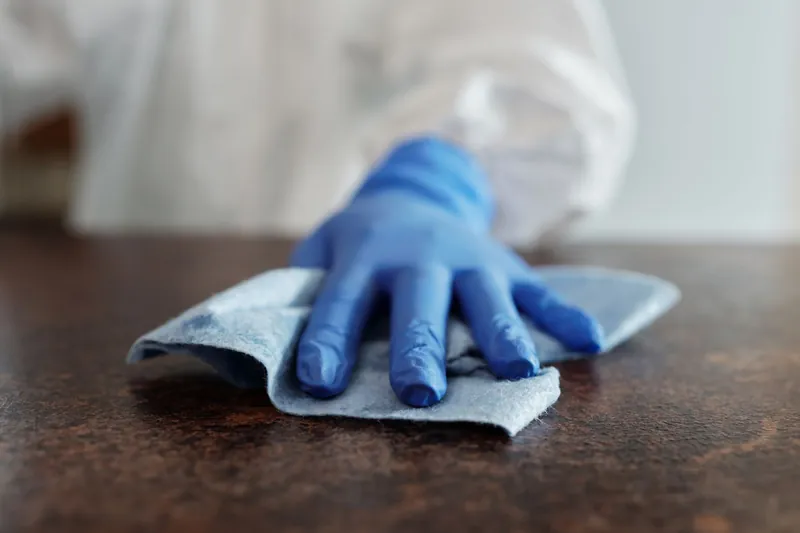
Large or small, every fresh or dried blood spill is covered by blood spill cleanup.
See blood spill cleanup
Cleanup that controls hepatitis B, hepatitis C and HIV exposure from blood.
See bloodborne pathogen cleanup
Bodily fluid cleanup and disinfection for homes, care settings and businesses.
See bodily fluid cleanup
All surfaces receive full coverage with EPA-registered products for infectious disease disinfection.
See infectious disease disinfection
Commercial and industrial sites receive biohazard cleanup arranged around operating needs and site access.
See commercial and industrial biohazard cleanupYes, dried blood must still be approached with precautions for bloodborne pathogens. According to the CDC, hepatitis B can remain viable on a surface for at least seven days. Avoid brushing or scraping dried material because particles may be spread. Restrict the area while clinic procedures for exposure control and a blood spill guide removal, cleaning and disinfection.
One answer cannot cover all facilities and situations. Established facility procedures may assign staff to small spills affecting hard surfaces. Routine cleanup may not be enough for broad spills, concealed contamination, loose sharps, broken waste containers or affected wallboard and carpet. Let your facility's exposure control process guide the starting choice.
The schedule depends on the affected area, surface types, waste streams, facility access and whether structural materials must be removed. A contained hard-surface spill takes less work than contamination under flooring or across several rooms. The cleanup team should define the work stages and access limits after assessment.
First restrict the area and follow the facility's exposure control plan. Designated personnel wear suitable protective equipment, carefully take up visible blood, clean the area and use an EPA-registered disinfectant for all of the contact time stated on its label. Professional cleanup may be necessary because absorbent materials and loose sharps require different handling.
The affected surfaces are reviewed after visible material is removed, cleaning is complete and the disinfectant has remained wet for its label contact time. The cleanup crew shares available waste records and work scope notes with your facility contact. Any furnishings or building materials taken out, including wallboard, floor material and ceiling tile, can move into the facility's repair process.
Keep everyone out except personnel who are prepared to encounter blood and assigned to the task under facility procedure. The assigned facility contact must be informed, and staff need to follow the exposure control process. Consider professional biohazard cleanup for contamination that is extensive, out of sight, mixed with sharp objects or absorbed by porous construction materials.
Respectful, discreet hospital and healthcare biohazard cleanup is available 24 hours a day, and crews arrive in unmarked vehicles.